Understanding AI in Cybersecurity
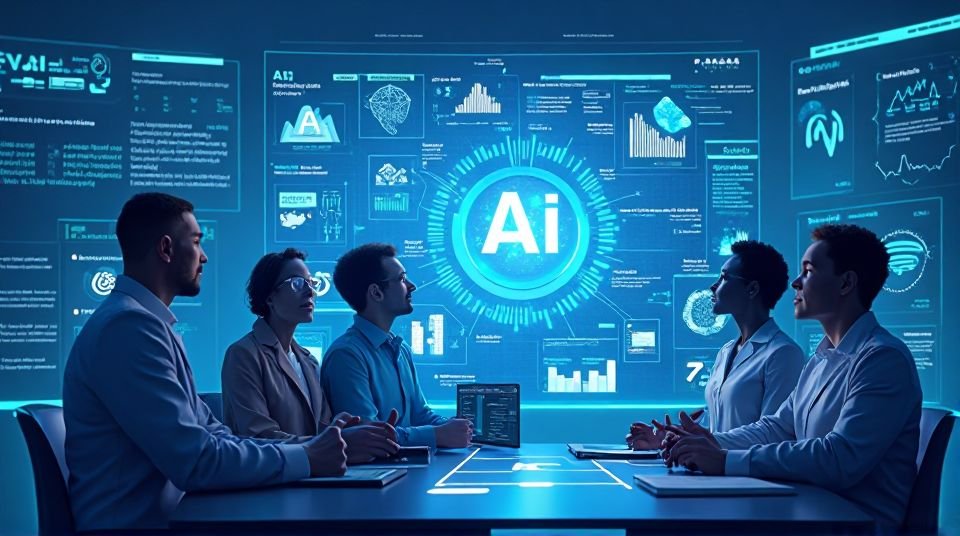
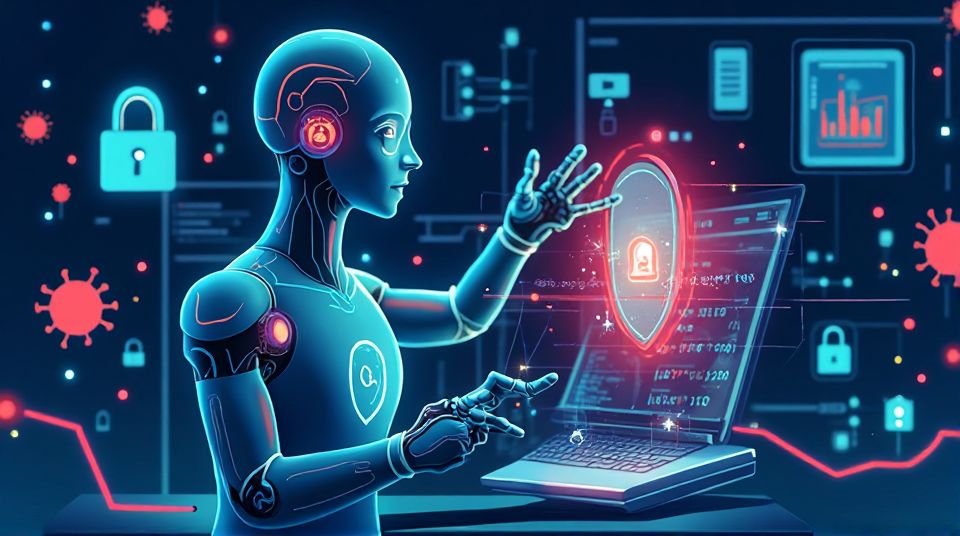
Artificial Intelligence (AI) has emerged as a pivotal technology in the realm of cybersecurity, fundamentally transforming how organizations protect their digital assets. At its core, AI refers to the capacity of machines to perform tasks that typically require human intelligence. This includes capabilities such as reasoning, learning from experience, understanding natural language, and recognizing patterns. The integration of AI within cybersecurity frameworks allows for a more proactive approach to identifying and mitigating cyber threats.
One of the primary components of AI utilized in cybersecurity is machine learning. Machine learning algorithms analyze vast amounts of data to detect anomalies and patterns indicative of potential security breaches. By continuously learning from new data, these systems can improve their accuracy in distinguishing between legitimate traffic and cyber threats, such as malware and phishing attempts. As cyber threats evolve, the ability of machine learning models to adapt to new patterns becomes indispensable in maintaining robust cybersecurity measures.
Natural Language Processing (NLP) is another significant AI technology within the cybersecurity landscape. NLP enables systems to process and interpret human language, which is particularly useful in the analysis of security reports, social media data, and other unstructured data sources. By leveraging NLP, cybersecurity teams can gain deeper insights into emerging threats and vulnerabilities, thereby enhancing situational awareness and response capabilities.
Neural networks, often inspired by the human brain’s architecture, facilitate advanced pattern recognition, making them instrumental in identifying complex threats that traditional methods may overlook. By mimicking the way humans learn, neural networks can efficiently process large volumes of information to identify possible security risks with increased precision.
The adoption of AI technologies in cybersecurity is not merely a trend but a necessary evolution in the field. As cyber threats become increasingly sophisticated, understanding and implementing AI solutions is essential for organizations seeking to safeguard their digital assets effectively.
Practical Applications of AI in Cybersecurity
The increasing reliance on digital platforms necessitates robust cybersecurity measures for businesses and individuals alike. Artificial intelligence (AI) is playing an integral role in enhancing cybersecurity defenses through various practical applications. One significant use is in anomaly detection. AI algorithms can analyze vast datasets in real-time, identifying unusual patterns that may indicate potential security breaches. For instance, in the finance sector, AI-driven systems can detect unauthorized transactions by establishing a baseline of typical customer behavior and raising alerts when anomalies occur.
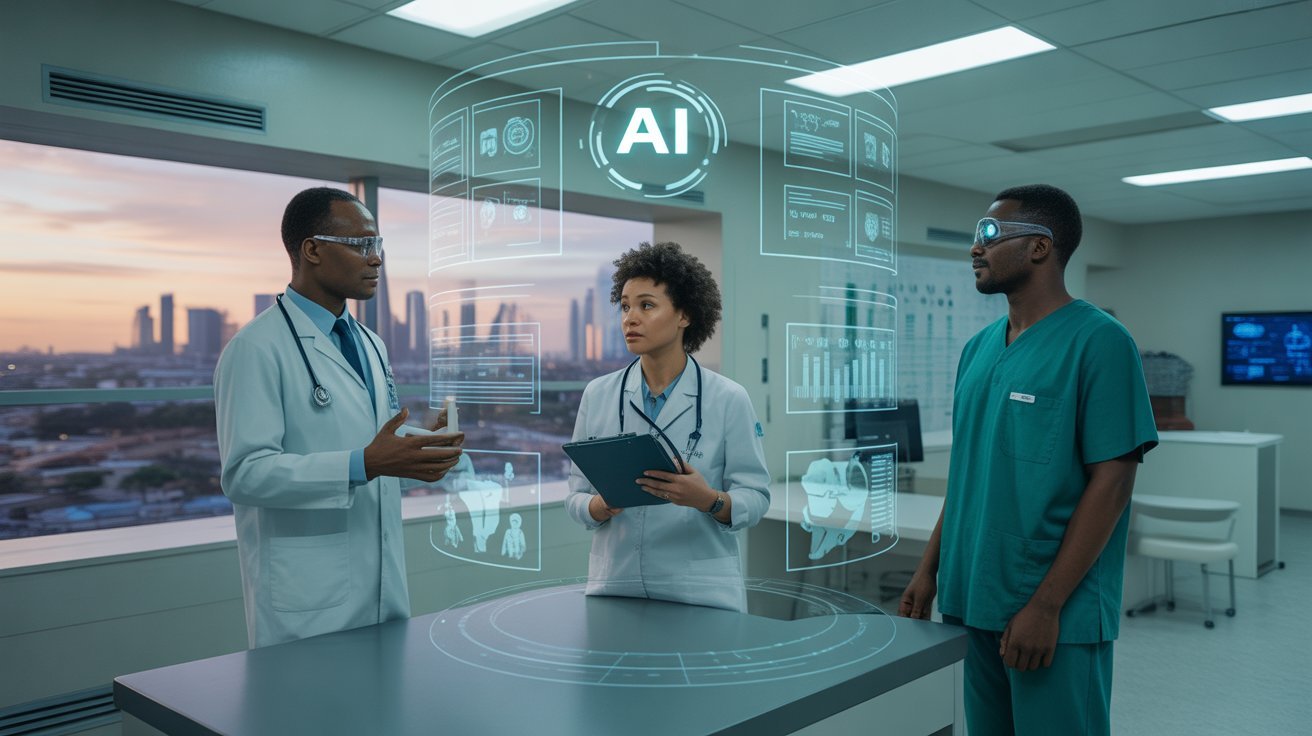
Another pivotal application of AI in cybersecurity is automated threat response. Traditional security systems often struggle to keep pace with the speed of cyber threats. However, the integration of AI allows for rapid assessment and response to cyber incidents. For example, in healthcare, AI tools can automatically isolate compromised systems, ensuring minimal disruption to patient care and protecting sensitive data. This level of automation not only enhances response times but also reduces the burden on IT security teams, allowing them to focus on strategic initiatives rather than routine incident management.
AI is also making strides in fraud prevention, particularly within the banking industry. Machine learning models can be trained to recognize fraudulent activities by analyzing transaction history and client behavior. When a potential fraud case is detected, these models can trigger alerts or even halt transactions before they take place. This proactive approach safeguards assets while instilling confidence among consumers regarding the security of their financial transactions.
Ultimately, whether in finance, healthcare, or education, the practical applications of AI in cybersecurity provide actionable insights that organizations and individuals can implement. By leveraging anomaly detection, automated threat response, and fraud prevention, it is possible to significantly bolster defenses against a myriad of cyber threats. The integration of AI tools into existing cybersecurity frameworks will ensure that both personal and organizational digital assets remain secure.
Challenges and Limitations of AI in Cybersecurity
The integration of artificial intelligence (AI) into cybersecurity strategies has emerged as a pivotal advancement in the field. However, this incorporation is not without its challenges and limitations. One significant concern relates to the potential for false positives and negatives produced by AI systems. As these algorithms analyze vast amounts of data, there is a risk of misclassifying benign activities as threats or failing to identify actual threats, which can lead to security breaches. Such inaccuracies can erode trust in AI’s effectiveness in safeguarding digital assets.
Moreover, continuous training of AI models is essential for maintaining their efficacy in the rapidly evolving landscape of cyber threats. Cybercriminals frequently adapt their tactics, requiring that AI systems also be updated regularly with new data and learning patterns. This necessitates a substantial investment of time and resources, which can be a barrier, particularly for smaller organizations that may lack the necessary infrastructure. Without consistent retraining, these models can become obsolete, ultimately weakening the organization’s cybersecurity posture.
Another critical aspect to consider is the ethical implications surrounding data privacy. AI-driven systems require access to vast amounts of data to function optimally, raising concerns about how this data is collected, stored, and utilized. There is an ongoing debate about the balance between leveraging AI for enhanced security and respecting individuals’ right to privacy. Organizations must navigate complex regulations and ethical considerations to ensure compliance while employing AI technologies effectively.
In light of these challenges, it is essential for organizations to critically assess their reliance on AI within their cybersecurity frameworks. Recognizing both the advantages and drawbacks will enable a more informed approach to integrating AI technologies in efforts to protect digital assets.
Future Trends in AI and Cybersecurity
The intersection of artificial intelligence (AI) and cybersecurity is becoming increasingly vital, as both fields evolve to meet the demands of a digital world characterized by sophisticated threats. One notable trend is the growing reliance on AI for proactive security measures. AI algorithms are now capable of analyzing vast amounts of data in real time, identifying unusual patterns that may signify an emerging threat. This proactive approach allows organizations to respond to potential breaches before they can cause significant harm, ultimately enhancing their overall security posture.
Furthermore, advancements in predictive analytics are set to redefine how businesses approach their cybersecurity strategies. By leveraging machine learning, organizations can forecast potential security incidents with remarkable accuracy. This capability not only helps in fortifying defenses but also aids in resource allocation, ensuring that security measures are applied effectively where they are most needed. Predictive analytics will play a crucial role in allowing companies to stay ahead of attackers, making it an indispensable element in the fight against cybercrime.
The landscape of cyber threats is also undergoing significant transformation. Attackers are increasingly employing AI themselves, creating more sophisticated malware and optimized phishing schemes. This evolving cyber threat landscape requires organizations to adopt an adaptive cybersecurity strategy that incorporates AI-driven solutions. As such, there is a pressing need for businesses to remain vigilant and continuously update their knowledge of current trends and threats. Engaging in ongoing education and training will equip security teams with the tools necessary to counter sophisticated attacks and minimize vulnerabilities.
As we look toward the future, the synergistic relationship between AI and cybersecurity will undoubtedly continue to grow. By embracing AI as a core aspect of their digital security strategies, organizations can better protect their assets and enhance their resilience against cyber threats in this rapidly changing environment.