Understanding the Impact of AI on Employment
Artificial intelligence (AI) is fundamentally reshaping the employment landscape across various industries, presenting both challenges and opportunities. As businesses increasingly integrate AI technologies into their operations, roles within sectors such as manufacturing, finance, healthcare, and logistics are undergoing significant transformations. Automation, driven by AI, is streamlining repetitive tasks, leading to efficiency gains but also raising concerns about job displacement. For instance, in manufacturing, robotics and AI systems can enhance production capabilities, yet this advancement may displace a significant number of routine jobs that were previously handled by human workers.
However, with the rise of AI comes the emergence of new job categories that didn’t exist before. Data analysts, AI trainers, and machine learning engineers are examples of professions growing in demand as companies adapt to technological advancements. This shift necessitates that both employees and employers embrace continuous learning and skill development to remain relevant in an evolving job market. Workers will need to acquire complementary skills that enable them to work alongside AI systems, fostering a collaborative environment rather than a competitive one.
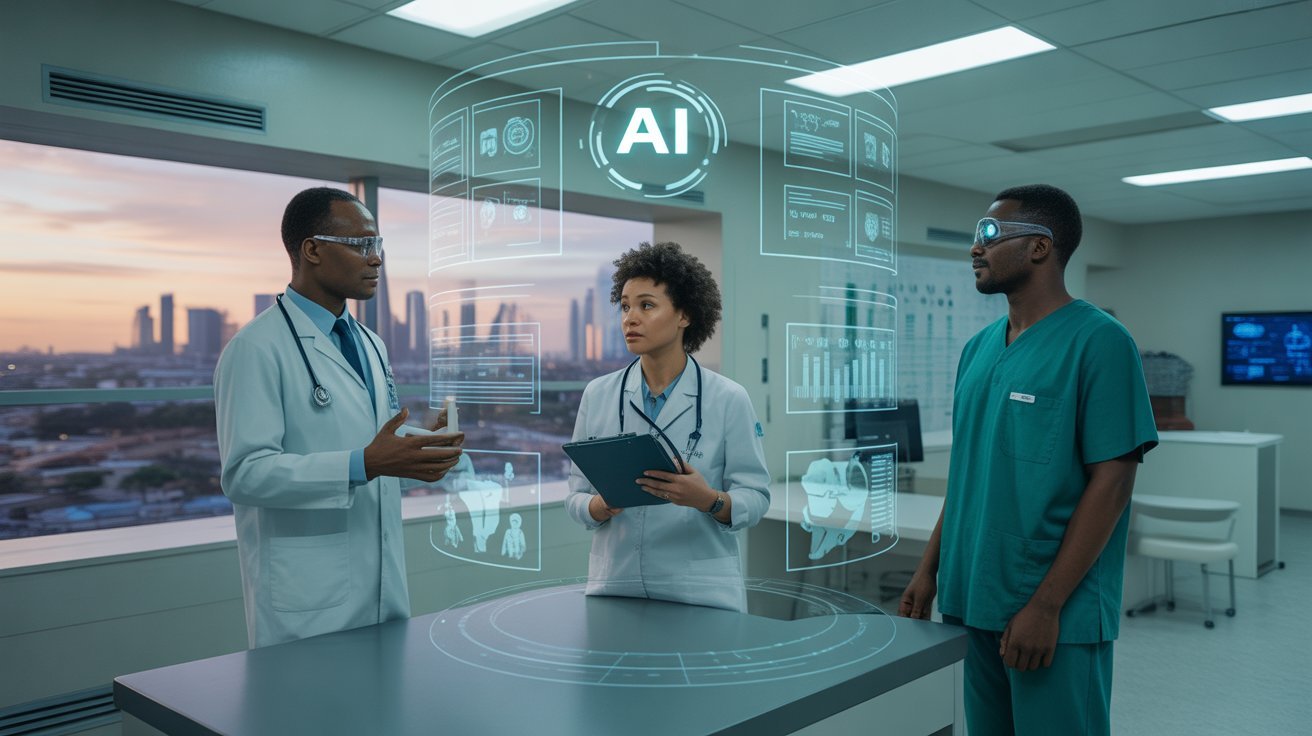
From a socio-economic perspective, the impact of AI on employment is particularly pronounced in the African context, where job displacement could exacerbate existing challenges of unemployment and underemployment. Many industries in Africa are beginning to adopt AI technologies, which may lead to significant shifts in the job market. It is crucial for policy makers and businesses to address these changes proactively, implementing strategies that support workforce transition and reskilling initiatives. By focusing on educational programs that enhance digital literacy and innovative thinking, the continent can harness the potential of AI while mitigating its adverse effects on employment.
Essential Skills for the Future Job Market
As we approach the upcoming years of 2025 to 2030, the job market is expected to evolve significantly due to technological advancements, particularly in artificial intelligence (AI). To successfully navigate this changing landscape, individuals must equip themselves with a blend of hard and soft skills that will be highly valued in this new environment.
Hard skills, which are specific technical abilities, will play a crucial role in future job roles. Data analysis stands out as a vital competence, enabling professionals to interpret and leverage large datasets for informed decision-making. Understanding AI and its applications is equally important, as many industries will integrate AI tools to enhance productivity and efficiency. Proficiency in programming languages and familiarity with machine learning algorithms will also become essential, allowing workers to design, implement, and manage AI-driven systems.
However, the significance of soft skills should not be underestimated. Emotional intelligence is increasingly recognized as vital for effective collaboration and communication within diverse teams. As automation increases, the ability to connect with others on a personal level will set individuals apart in the workplace. Moreover, adaptability will emerge as a key trait, allowing professionals to pivot and embrace change as new technologies arise. The capacity for critical thinking and problem-solving will also be indispensable, as workers will need to assess complex situations and devise innovative solutions.
In an era of rapid change, continuous learning and upskilling are paramount. Professionals must stay updated on industry trends and emerging technologies to remain competitive. Lifelong learning will not only enhance existing skills but also prepare individuals for unexpected career shifts. Emphasizing a proactive approach to skill development will be essential in achieving long-term career success in the evolving job market.
Leveraging AI in Career Development
In recent years, the integration of artificial intelligence (AI) into career development has transformed how individuals approach their professional goals. By utilizing AI-driven tools and resources, individuals can effectively enhance their skill sets, streamline job searches, and receive personalized career coaching. For instance, platforms like LinkedIn Learning and Coursera employ AI algorithms to recommend tailored learning paths based on users’ career aspirations and existing competencies, making the journey of skill acquisition efficient and relevant.
Furthermore, job seekers can benefit from AI-powered job search engines such as ZipRecruiter and Indeed, which utilize machine-learning technologies to match candidates with vacancies that align with their skills and interests. These platforms analyze resumes and job descriptions to identify synergies, thus saving time and increasing the likelihood of finding suitable employment. Moreover, they can enhance the application process through features that assist users in perfectly tailoring their resumes to specific job roles.
Career coaching has also seen significant enhancements through AI. Platforms like BetterUp and CoachAccountable provide users with bespoke coaching experiences by analyzing individual performance data and personal goals. These services leverage AI to offer insights and recommendations that facilitate professional growth, empowering individuals to optimize their career trajectories. This personalized approach allows users to receive feedback and guidance that is both actionable and relevant to their unique situations.
In the context of Africa, there is an urgent need to embrace these AI tools for personal and professional development. Individuals, especially in developing regions, can leverage AI technologies to overcome barriers and enhance their employability. By utilizing AI platforms, they can access a wealth of resources that facilitate learning and job placement, ultimately leading to enriched career prospects. Embracing these tools could bridge the skill gap and unlock opportunities in an increasingly competitive job market.
Building an AI-Ready Workforce in Africa
As the demand for artificial intelligence (AI) capabilities expands globally, Africa must prioritize the development of an AI-ready workforce. This transformation requires concerted efforts from businesses, educational institutions, and governments to effectively equip individuals with the necessary skills. One of the foundational strategies includes the integration of AI-focused education into the current curriculum across schools and universities. By updating program offerings to include data science, machine learning, and AI ethics, educational institutions can cultivate a talent pool well-versed in the technologies that will shape the future job market.
Furthermore, collaborative industry partnerships play a crucial role in bridging the gap between academic knowledge and practical experience. Companies can engage with universities to foster internship programs, workshops, and hackathons that allow students to apply their skills in real-world scenarios. Such initiatives not only enhance students’ understanding of AI applications but also help organizations identify potential employees who possess the required competencies. By actively participating in education, businesses can drive the demand for AI skills, ensuring that future job seekers are adequately prepared.
Investment in technology infrastructure is equally vital in creating an environment conducive to AI skill development. Governments and private sector entities need to collaborate to enhance internet accessibility, provide advanced computing resources, and support nascent tech hubs that encourage innovation. Establishing access to the latest technology will enable learners and professionals to experience firsthand the tools and platforms that comprise today’s AI landscape.
Through a combination of curriculum development, industry collaboration, and infrastructural investment, Africa has the potential to build a robust AI-ready workforce. This concerted effort not only positions the continent to benefit from AI advancements but also ensures that its labor force is prepared to thrive in the rapidly evolving job market of 2025-2030.