Introduction to AI in Entrepreneurship
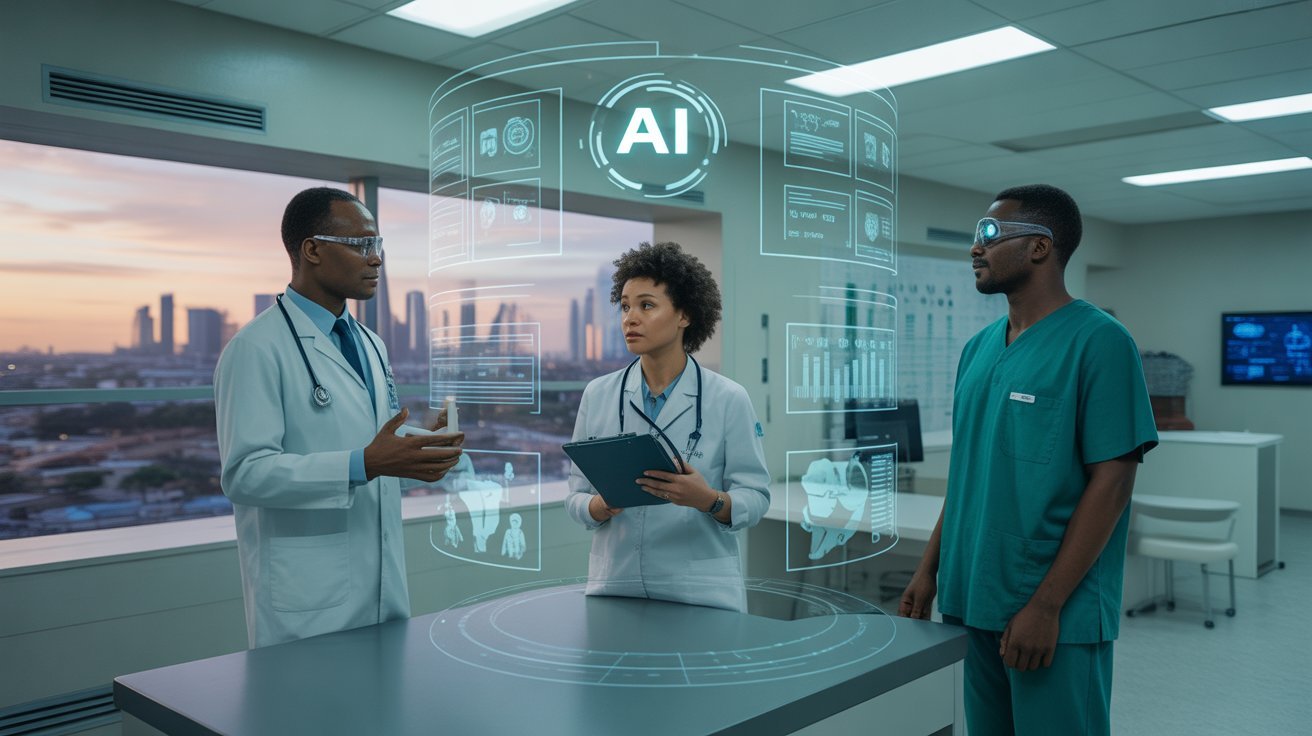
Artificial Intelligence (AI) refers to the simulation of human intelligence processes by machines, particularly computer systems. These processes include learning, reasoning, problem-solving, perception, and language understanding. The advent of AI is transforming various sectors across the globe, and its relevance to entrepreneurship cannot be overstated, especially for Nigerian entrepreneurs striving to remain competitive in an ever-evolving marketplace.
In the context of business, AI presents unique opportunities that can enhance operational efficiency, improve decision-making, and drive innovation. By automating routine tasks, AI enables entrepreneurs to focus on strategic activities that contribute to growth and profitability. The potential for data analytics, powered by AI, allows Nigerian entrepreneurs to glean insights from vast amounts of data, leading to informed decisions that can significantly impact their ventures.
Nigeria, as one of the largest economies in Africa, is increasingly recognizing the importance of AI in fostering economic development. The rapid advancement of technology and internet penetration in the country has created an environment where AI can thrive. Entrepreneurs are beginning to leverage AI tools for various applications, ranging from customer service automation to advanced analytics and marketing strategies. This trend not only improves individual business operations but also contributes to the broader economy by fostering innovation and job creation.
The growing emphasis on digital transformation among Nigerian businesses underscores the necessity for entrepreneurs to embrace AI technologies. As AI continues to evolve, those who utilize its functionalities will likely gain a competitive edge in the market. This blog post aims to explore ten practical use cases of AI that are particularly relevant to Nigerian entrepreneurs, illustrating how these technologies can be harnessed to enhance business operations and drive success.
Use Case 1: Automating Customer Service
In the rapidly evolving landscape of business, Nigerian entrepreneurs can significantly enhance their customer service operations through the implementation of artificial intelligence (AI). One of the most transformative applications of AI is the use of chatbots and virtual assistants, which have become increasingly popular for automating customer interactions. These tools offer immediate responses to customer inquiries, enabling businesses to handle multiple interactions simultaneously, resulting in improved efficiency.
By leveraging AI-driven chatbots, entrepreneurs can ensure that customer queries are addressed promptly, thus improving overall customer satisfaction. These intelligent systems are capable of learning from past interactions, which enables them to provide more accurate responses over time. Additionally, the integration of AI in customer service leads to reduced response times, ensuring that potential leads are not lost due to delays. With the capacity to function 24/7, businesses need not worry about the limitations posed by human working hours.
Furthermore, automating customer service frees up human resources, allowing employees to focus on strategic tasks that require critical thinking and creativity. Instead of dedicating time to routine inquiries, staff can concentrate on more complex customer needs or innovative projects that drive business growth. This shift not only optimizes resource allocation but also significantly enhances the quality of service provided.
Real-world examples of Nigerian businesses successfully utilizing these AI tools underscore their effectiveness. For instance, some companies have reported higher customer engagement levels and increased sales volume after implementing AI chatbots on their websites and social media platforms. By automating customer service processes, entrepreneurs can foster a more responsive and proactive customer relationship, ultimately positioning their businesses for sustainable success in the competitive marketplace.
Data-Driven Marketing Strategies
In the rapidly evolving landscape of marketing, Nigerian entrepreneurs increasingly recognize the value of AI in crafting data-driven strategies. By leveraging artificial intelligence, businesses can analyze vast amounts of data to gain insights into customer behavior and preferences. This analytical capability allows entrepreneurs to segment their audiences effectively, enabling more targeted marketing campaigns that resonate with specific customer groups.
AI tools, such as machine learning algorithms and natural language processing, empower marketers to identify patterns and trends within consumer data. These technologies facilitate the creation of persona-based marketing strategies, which hone in on the unique attributes and needs of different customer segments. As a result, campaigns become more personalized, enhancing customer engagement and satisfaction, which in turn drives conversion rates and brand loyalty.
Nigerian businesses are already witnessing the benefits of AI-driven marketing strategies. For instance, a leading e-commerce platform in Nigeria utilizes machine learning algorithms to analyze purchasing behavior. This information helps the company recommend products that align with individual customer interests, significantly improving their repeat purchase rate. Additionally, mobile applications integrated with AI capabilities can send personalized promotions based on user behavior, leading to increased sales during promotional periods.
Furthermore, AI tools such as chatbots and predictive analytics are transforming customer interactions. Entrepreneurs can implement chatbots on their websites to provide immediate answers to customer inquiries, enhancing the overall customer experience. Predictive analytics also allows businesses to forecast market trends, optimize their advertising budgets, and identify the most effective channels for reaching their target audiences.
As the marketing landscape continues to adapt to new technologies, Nigerian entrepreneurs who harness the power of AI-driven tools will be well-positioned to enhance their marketing strategies, ultimately leading to greater market reach and improved conversion rates.
Streamlining Supply Chain Management
In the rapidly evolving business landscape, Nigerian entrepreneurs increasingly recognize the potential of artificial intelligence (AI) to enhance their supply chain operations. By integrating AI solutions into their logistics and inventory management systems, businesses are witnessing a transformation that not only optimizes processes but also significantly reduces costs. One of the primary applications of AI in supply chain management is demand forecasting. Traditional methods often rely on historical sales data, which may not accurately predict future demand due to changing market conditions. AI leverages algorithms and machine learning to analyze vast amounts of data, identifying patterns and trends that inform more accurate demand predictions. This enables companies to maintain optimal inventory levels, reducing the risks of overstocking or stockouts.
Additionally, inventory management has benefitted greatly from AI technologies. Systems powered by artificial intelligence can automate the tracking of inventory levels in real-time. This capability allows entrepreneurs to make informed decisions regarding when to replenish stock, ensuring that operations run smoothly without unnecessary delays. For instance, local businesses in Nigeria have begun implementing AI-driven inventory management systems that alert managers of low stock levels automatically, providing a seamless and efficient approach to restocking.
Logistics optimization is another critical area where AI proves invaluable. Nigerian entrepreneurs utilize AI to enhance route planning and fleet management, resulting in reduced transportation costs and improved delivery times. By analyzing traffic patterns, weather conditions, and other variables, AI can suggest the most efficient routes for distribution. This not only optimizes logistics but also leads to improved customer satisfaction as deliveries become more reliable and timely. The successful integration of these AI tools illustrates how Nigerian entrepreneurs can enhance their supply chain operations, providing them with a competitive advantage in the market.