Understanding AI in Education
Artificial Intelligence (AI) is increasingly transforming various sectors worldwide, and education is no exception. In the context of learning and teaching, AI refers to the use of algorithms and intelligent systems to automate tasks, analyze data, and enhance educational experiences. The integration of AI technologies into the educational landscape in Nigeria aims to address long-standing challenges, such as access to quality education and the need for personalized learning solutions.
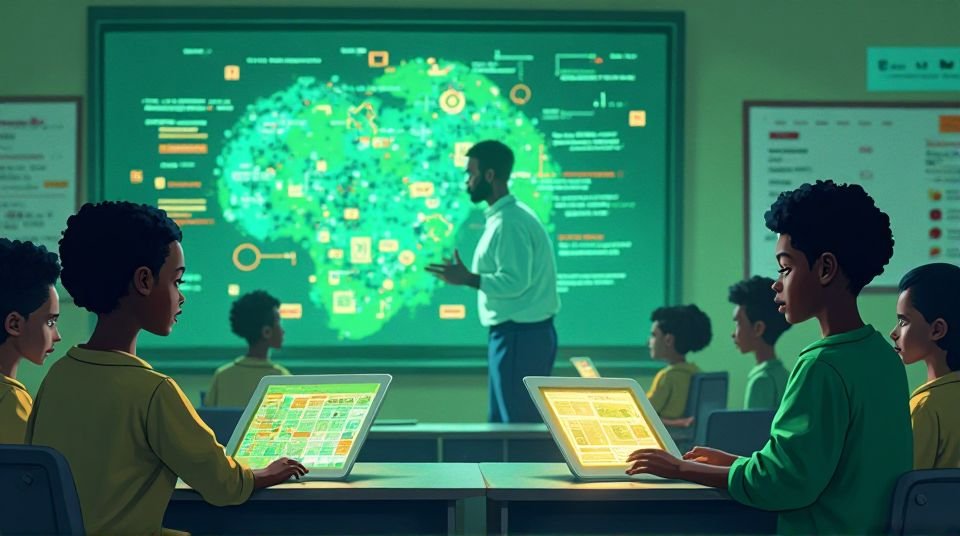
One of the primary AI technologies adopted in educational institutions is adaptive learning platforms. These platforms utilize data analytics to assess a learner’s strengths and weaknesses, enabling personalized learning experiences tailored to individual needs. For instance, if a student struggles with specific mathematical concepts, the adaptive learning system can identify this issue and offer targeted resources, allowing students to progress at their own pace. This application of AI not only helps in accommodating diverse learning styles but also fosters a more engaging and effective educational environment.
Another notable AI technology in education is the use of virtual assistants, which facilitate administrative tasks for educators and provide real-time support for students. These AI-driven tools can help streamline communication, manage scheduling, and assess student performance through various metrics. By automating repetitive tasks, educators can dedicate more time to fostering student engagement and implementing effective teaching strategies. Moreover, virtual assistants can offer students immediate help with inquiries, thus promoting continuous learning outside conventional classroom settings.
The potential benefits of integrating AI in Nigeria’s education system are substantial. AI can significantly enhance educational access, particularly in remote or underserved areas, where traditional teaching resources may be limited. By leveraging technology, learning opportunities can be extended to a broader audience, thus contributing to improved academic outcomes and fostering a more equitable educational landscape.
The Potential Benefits of AI in Nigerian Education
The integration of artificial intelligence (AI) into the Nigerian education system holds significant promise for improving educational outcomes across the country. One of the most notable benefits is its ability to bridge gaps in educational resources, particularly in underserved regions where access to quality education remains a challenge. AI tools can provide tailored educational content, making it possible for students in remote areas to receive instructions that are often unavailable due to a lack of qualified teachers or educational materials.
Moreover, AI can significantly enhance student engagement. For instance, AI-driven platforms can assess individual learning styles and adapt their teaching methods accordingly. This personalization not only maintains the interest of students but also allows them to grasp complex subjects at their own pace. Case studies showcase successful AI implementations, such as virtual learning environments in Nigerian schools where students engage with interactive modules and receive instant feedback. Such innovative approaches have shown promising results in enhancing comprehension and retention rates among students.
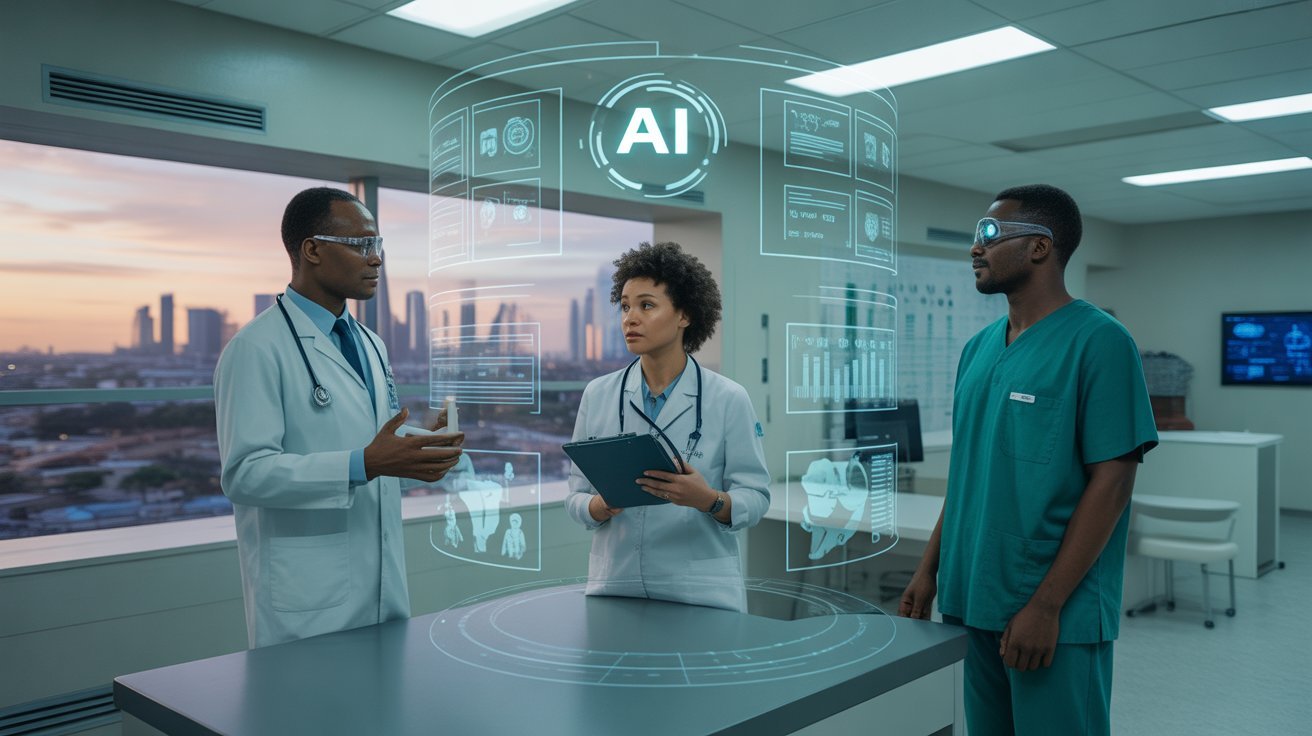
Additionally, AI can provide substantial support for teachers, allowing them to focus more on pedagogy rather than administrative duties. Through advanced analytics, AI technology can facilitate the tracking of student progress, enabling educators to identify areas where students struggle. This data-driven approach empowers teachers to deliver targeted interventions to help students improve. Furthermore, AI systems can automate routine tasks such as grading and attendance monitoring, thus contributing to administrative efficiency. By easing the administrative burden, educators can dedicate more time to direct instruction and student interaction, further enhancing the learning environment.
In essence, the potential benefits of AI in Nigerian education are multi-faceted, encompassing improved accessibility, enhanced student engagement, and better support systems for educators. As these technologies continue to evolve, their positive impact on the education landscape in Nigeria may become increasingly evident, shaping the future of learning for generations to come.
The Risks and Challenges of AI Implementation
The integration of artificial intelligence (AI) into the educational landscape of Nigeria harbors significant potential for transformation; however, it is accompanied by various risks and challenges that must be carefully examined. One prominent concern relates to data privacy. The collection and processing of personal information to fuel AI applications create vulnerabilities that could expose students and educators to data breaches and misuse. Safeguarding sensitive data becomes paramount as educational institutions seek to comply with legal and ethical standards.
Another critical issue is the potential for biases in AI algorithms. Many AI systems are developed using datasets that may not represent the diverse demographics of Nigerian students. Consequently, algorithms may inadvertently reinforce existing biases, leading to unfair treatment in educational assessments and resource allocation. To mitigate this risk, it is essential for stakeholders to develop AI systems grounded in fairness and inclusivity, ensuring equitable access to educational opportunities.
The digital divide further compounds the challenges associated with AI adoption in Nigeria’s education sector. There exists a significant disparity in access to technology and internet connectivity, particularly between urban and rural areas. This divide not only limits the effectiveness of AI tools but also exacerbates inequities in educational outcomes, leaving some students at a disadvantage. Addressing this issue requires a concerted effort from government, private sector, and civil society to improve infrastructure and expand access to technology.
Moreover, educators face substantial challenges in adapting to AI-enhanced teaching methods. Many teachers require training in digital literacy to effectively incorporate AI technologies into their curriculum. Without adequate professional development, the potential benefits of AI in enhancing teaching and learning processes may not be fully realized. Therefore, ongoing support and resources must be allocated to empower educators, ensuring that both students and teachers can harness the advantages presented by artificial intelligence in education.
Navigating the Future: Balancing Innovation and Caution
As Nigeria seeks to modernize its educational system, the integration of artificial intelligence (AI) presents both significant opportunities and notable challenges. The path forward requires a strategic approach that emphasizes innovation while addressing potential pitfalls. Education stakeholders must implement best practices to harness the benefits of AI technologies effectively, ensuring a balanced progression that aligns with the unique context of Nigerian education.
To begin with, educators need to receive proper training to utilize AI tools effectively. It is crucial that teachers develop familiarity with these technologies, understanding how to integrate them into their classrooms without compromising the quality of education. Professional development programs focusing on digital literacy and AI usage can equip educators with the requisite skills, enabling them to leverage AI for personalized learning experiences and improved educational outcomes.
Additionally, the Nigerian government should look toward developing policies that not only promote AI adoption but also safeguard against its risks. This involves establishing frameworks that prioritize data privacy, equity in access, and ethical considerations surrounding AI applications in education. By creating clear regulations and guidelines, authorities can help to mitigate risks associated with bias and ensure that AI systems promote inclusivity rather than exclusion.
Moreover, fostering a culture of AI literacy among students should be a primary goal. Curricula should be updated to incorporate fundamental concepts of artificial intelligence, preparing them for a future where AI will play an integral role. By instilling an understanding of AI within the student population, we empower them to engage critically with the technology and become informed users, thereby encouraging responsible interaction with these systems.
Adopting a forward-thinking approach to AI in education necessitates a collaborative effort among educators, policymakers, and the community. By combining innovation with caution, Nigeria can navigate the complexities of AI integration in education, ultimately fostering a system that is both forward-looking and responsible.