Understanding Telemedicine and AI Integration
Telemedicine refers to the delivery of healthcare services through technological means, allowing healthcare professionals to consult with patients remotely. This approach is particularly vital in rural areas where access to medical facilities and specialists is limited. By utilizing telecommunication tools such as video conferencing, mobile apps, and messaging platforms, telemedicine offers a practical solution for patients in geographically isolated regions, thus bridging the gap between healthcare providers and users.
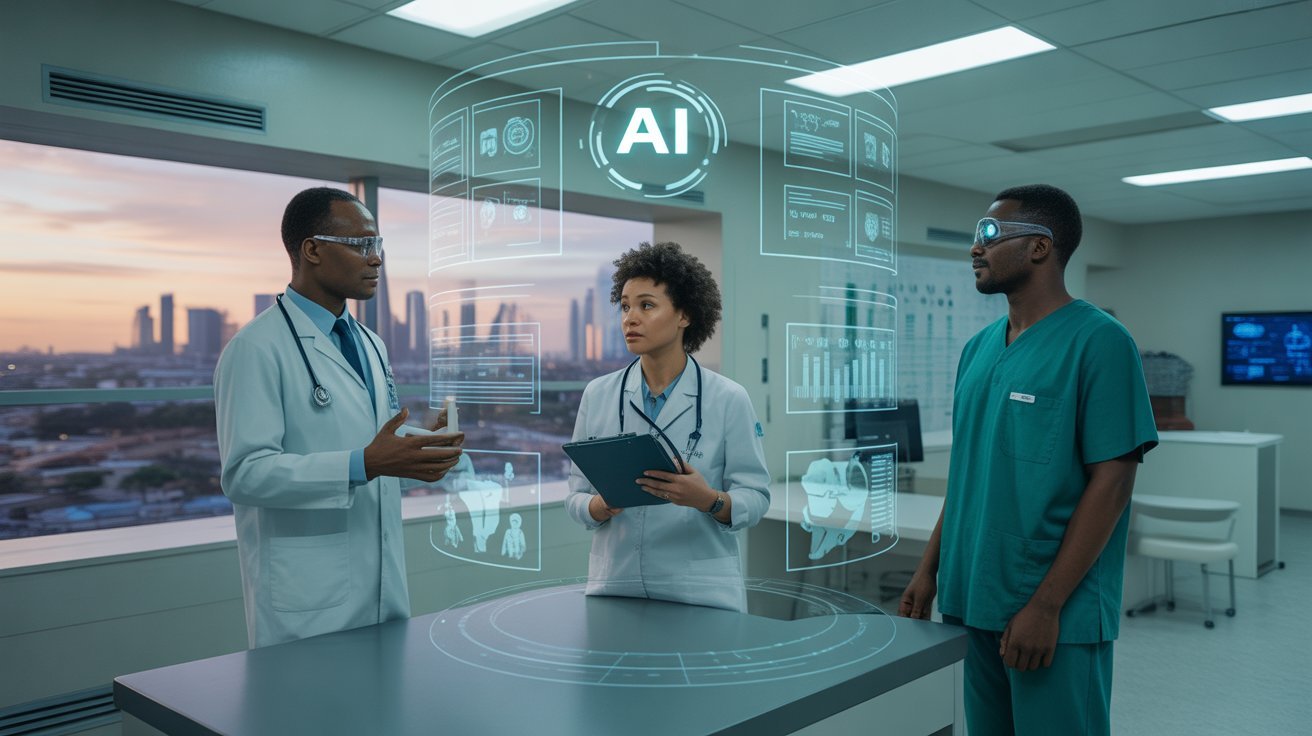
Artificial Intelligence (AI) integration into telemedicine further enhances its capabilities, providing innovative solutions that improve patient care. AI-powered telemedicine encompasses the use of algorithms and machine learning to analyze data, assist in diagnostics, and streamline patient interactions. For instance, AI can help triage patients by assessing the severity of their conditions through symptom checkers that guide them to appropriate care based on their specific needs. This ensures that individuals receive timely attention without unnecessary travel.
Moreover, AI tools can assist healthcare providers in making informed decisions by offering data-driven insights and predicting patient outcomes. For example, predictive analytics can identify trends and potential health risks in rural populations, enabling proactive measures to combat specific health challenges. Furthermore, AI chatbots can provide 24/7 support, answering patient inquiries and guiding them through self-management protocols for chronic illnesses.
As the healthcare landscape in Nigeria evolves, the incorporation of AI into telemedicine represents a significant leap towards transforming health services accessibility. By demystifying these technologies and illustrating their applications, we pave the way for broader acceptance and utilization of telemedicine solutions among rural populations. This integration ultimately enhances the quality of care while ensuring that individuals living far from urban centers are not left behind in the digitization of healthcare.
Challenges in Healthcare Access in Rural Nigeria
The rural population in Nigeria faces significant challenges in accessing healthcare services, primarily due to geographical barriers. Many rural communities are located in remote areas that are difficult to reach, with inadequate road networks and transportation options. According to the World Health Organization, about 70% of the Nigerian population lives in rural areas, yet only 30% of healthcare facilities are situated there. This disparity highlights the critical need for improved healthcare access in these underserved regions.
Insufficient healthcare infrastructure compounds the problem. Many rural clinics lack essential facilities, equipment, and supplies, which severely limits their ability to provide quality care. For instance, a survey indicated that over 50% of rural healthcare centers in Nigeria lack basic medical supplies, such as medications and diagnostic tools. This lack of resources contributes to high mortality rates and prevents timely interventions for preventable diseases.
Furthermore, the shortage of healthcare professionals poses another challenge. The ratio of healthcare workers to the population in rural areas is alarmingly low, with some regions having only one doctor for every 10,000 residents. This scarcity of medical personnel leads to overcrowded facilities and increased waiting times, undermining the quality of care patients receive. The absence of specialists in rural settings aggravates existing conditions, often forcing patients to travel long distances to seek specialized care.
Socio-economic factors also play a significant role in hindering healthcare access. Many rural inhabitants live below the poverty line, making it difficult for them to afford healthcare services. A report from the Nigerian Bureau of Statistics reveals that rural dwellers spend an average of 15% of their income on healthcare, which can lead to financial strain or deter them from seeking treatment altogether. These challenges necessitate an urgent reevaluation of healthcare access strategies, particularly the potential of AI-powered telemedicine to bridge these gaps and expand healthcare reach in rural Nigeria.
Advantages of AI-Powered Telemedicine for Rural Communities
AI-powered telemedicine presents substantial advantages for rural communities in Nigeria, significantly transforming healthcare delivery in areas often underserved by traditional medical facilities. One of the primary benefits lies in its ability to enhance patient diagnosis. Through machine learning algorithms, AI can analyze symptoms reported by patients and suggest possible conditions, facilitating timely and accurate medical assessments. This early intervention is crucial for mitigating more severe health issues before they escalate.
Moreover, AI-enhanced technology supports improved health monitoring. Remote monitoring tools enable healthcare providers to track vital signs and other key health metrics in real-time. This ongoing surveillance proves invaluable for managing chronic conditions such as diabetes or hypertension, ensuring that patients receive timely interventions and reducing the risk of complications. In rural settings, where access to healthcare professionals may be limited, these technologies bridge the information gap, allowing both patients and providers to remain informed about health statuses.
Another significant advantage is the facilitation of timely medical consultations. AI-powered platforms can connect patients with healthcare providers instantly, allowing rural inhabitants to receive expert opinions without the burden of travel. This system is particularly beneficial in emergencies or when specialized care is required. Furthermore, continuous care is made possible through virtual appointments, enabling healthcare professionals to keep track of their patients over time, fostering better health outcomes.
Additionally, the capability of AI to analyze extensive health data plays a pivotal role in public health. By identifying patterns and predicting potential outbreaks of diseases, these systems can alert health authorities, enabling proactive measures to safeguard community health. Real-world case studies, such as the implementation of telemedicine solutions during health crises, have demonstrated the efficacy of these technologies in enhancing healthcare accessibility and overall public health responses in rural Nigeria.
The Future of AI in Rural Healthcare: Opportunities and Initiatives
The integration of artificial intelligence (AI) into rural healthcare in Nigeria represents a significant transformation that holds the potential to enhance accessibility, efficiency, and overall healthcare quality. As the nation grapples with unique healthcare challenges, ongoing initiatives and partnerships are focused on leveraging AI and telemedicine to bridge the gap in healthcare delivery. These initiatives are often driven by collaborative efforts between government agencies, healthcare organizations, and technology companies committed to improving rural health outcomes.
Several government policies are underway that support the adoption of telemedicine and AI in healthcare. By providing a regulatory framework, these policies not only facilitate the operation of telehealth services but also encourage private sector investment in health technology solutions. Furthermore, initiatives promoting digital literacy among healthcare professionals are critical for ensuring they can effectively utilize these technologies. This strengthened capacity will lead to better patient management, particularly in remote areas where access to qualified healthcare personnel is limited.
Despite the promising landscape, challenges remain. Socioeconomic factors, including limited infrastructure, inconsistent internet access, and varying levels of technological literacy can impede the full integration of AI into rural healthcare systems. Addressing these barriers requires a multi-stakeholder approach engaging local communities, healthcare providers, and technology developers. Through partnerships and collaborative projects, stakeholders can develop tailored solutions that meet the specific needs of rural populations, thereby fostering an environment conducive to the adoption of telemedicine.
As AI continues to evolve, its applications in rural healthcare are likely to expand, offering innovative solutions for diagnosis, patient monitoring, and treatment management. The future of AI in Nigeria’s rural healthcare landscape is promising, driven by a vision of improved health services and outcomes for an underserved population.