Understanding AI and Human Intelligence
Artificial intelligence (AI) and human intelligence represent two distinct paradigms of understanding and engaging with the world. AI refers to the simulation of human intelligence processes by computer systems, encompassing a range of functionalities such as learning, reasoning, problem-solving, perception, and language comprehension. Within the realm of AI, there are primarily two types: narrow AI and general AI. Narrow AI, also known as weak AI, is designed for specific tasks, such as facial recognition or playing chess, demonstrating proficiency in limited domains. In contrast, general AI, or strong AI, aims to replicate a broad spectrum of human cognitive abilities, yet remains largely theoretical as advancements in technology have not yet realized this level of complexity.
Human intelligence, on the other hand, is characterized by a rich array of cognitive abilities, including emotional understanding, creativity, and social interaction. These abilities are not merely functions of information processing; they involve an intricate web of experiences, context, and emotions. One of the most significant differences between AI and human intelligence is the capacity for self-awareness and emotional intelligence. While AI can analyze data and generate outputs based on patterns, it lacks genuine understanding and cannot form emotional connections or comprehend consciousness.
Additionally, humans exhibit a remarkable ability to apply their intelligence across various contexts, transcending the confines of specific tasks. While narrow AI excels in isolated applications, it does not possess the adaptability inherent in human thought, which can pivot from one domain to another effortlessly. This adaptability contributes to problem-solving skills, allowing humans to approach challenges with innovative and creative solutions, an area where AI currently falls short.
By examining both AI and human intelligence, we can appreciate their unique strengths and limitations. Understanding these fundamentals lays the groundwork for exploring their implications in society and the future of technology.
The Limitations of AI in Mimicking Human Behavior
Artificial Intelligence (AI) has made significant strides in recent years, yet it still ultimately falls short in several critical areas where human intelligence excels. One of the primary limitations of AI is its incapacity to genuinely understand and replicate emotional intelligence. While AI can process data related to human emotions or recognize patterns based on input, it lacks the intrinsic capacity for empathy and emotional nuance. For instance, in situations requiring comfort, such as a grieving individual, AI can provide text-based support but will not be able to connect on an emotional level—a factor vital in human interactions.
Moreover, creativity remains another challenging realm for AI systems. Creativity involves not just generating novel ideas but also understanding context, cultural meaning, and subtleties that often inspire human innovation. AI can analyze vast amounts of data and generate content based on existing structures, but it struggles to create works that resonate with the human experience on a deeper level. An example is seen in the realms of art and literature, where the nuances of human experience—like pain, joy, love, and suffering—often inspire profound creativity that AI cannot authentically replicate.
Ethical reasoning and complex decision-making further highlight the limitations of AI. Humans inherently evaluate moral dilemmas by drawing on their values, experiences, and social norms. In contrast, AI lacks the capability to navigate these complexities effectively. Consider scenarios like self-driving cars making split-second decisions in accident avoidance; these require not only technical calculations but also a moral framework that AI cannot comprehend. Ultimately, while AI can assist in many tasks, it fails to replicate the depth of human behavior, intuition, and empathetic understanding, accentuating distinct barriers that continue to exist between machine processing and human cognition.
Opportunities for Collaboration: Bridging the Gap
As advancements in artificial intelligence (AI) continue to shape various sectors, the potential for collaboration between humans and machines has emerged as a pivotal theme. Rather than viewing AI solely as a replacement for human intelligence, it is essential to recognize its capabilities in complementing and enhancing human performance. This collaboration is particularly relevant in sectors such as healthcare, education, and business, where the integration of AI can lead to significant improvements in efficiency, accuracy, and innovation.
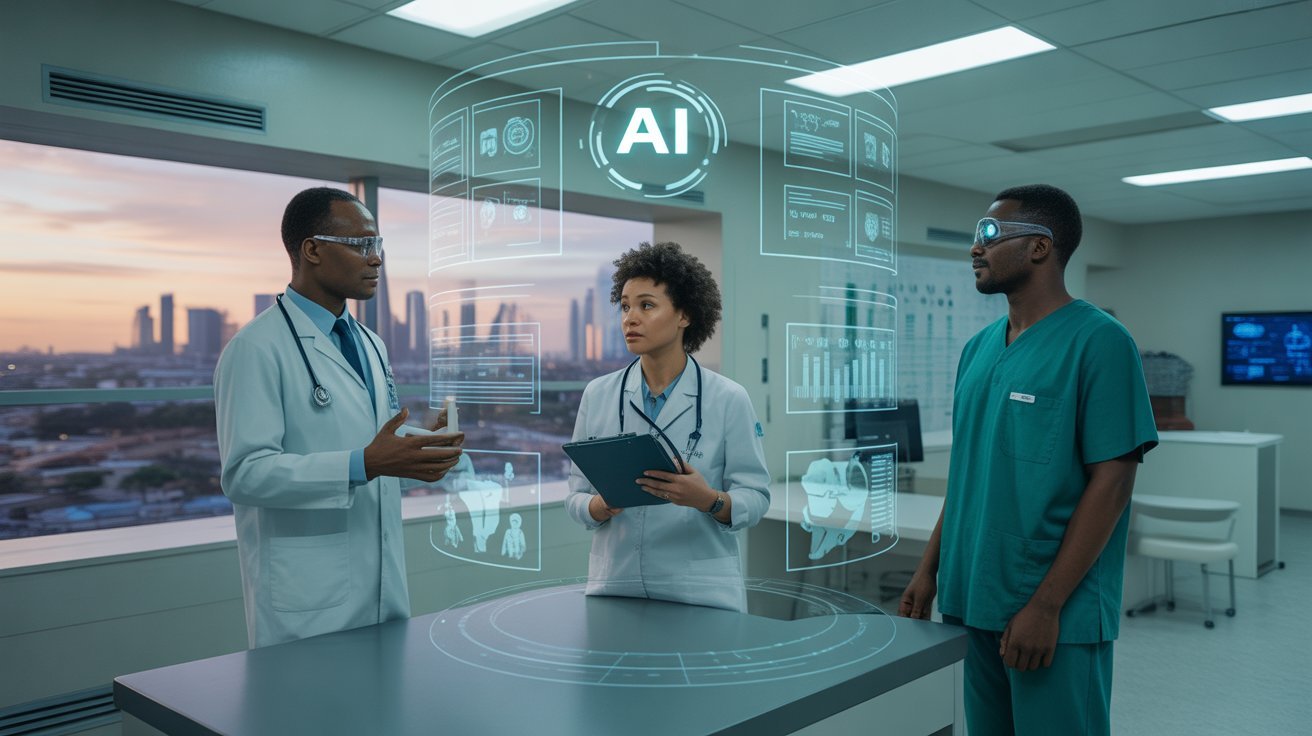
In the healthcare sector, for instance, AI systems can analyze vast amounts of patient data quickly and accurately, aiding professionals in diagnosing diseases at earlier stages. For example, AI-powered imaging technology can detect anomalies in medical scans that may be overlooked by the human eye. By utilizing these AI tools, healthcare providers can streamline their workflow and focus their expertise on patient care, ensuring more effective treatment strategies are developed. This synergy between human insight and machine precision ultimately leads to improved patient outcomes and more efficient healthcare systems.
Similarly, in the field of education, AI can personalize learning experiences for students by assessing their individual strengths and weaknesses. Such systems can recommend tailored resources, thereby enhancing the learning process. Teachers can leverage these insights to provide targeted support, fostering an environment conducive to deeper comprehension and skill development. This collaboration not only empowers educators but also enriches student engagement and academic success.
In the business arena, AI-driven analytics can assist in making informed decisions by identifying market trends and consumer behaviors. This allows organizations to adapt their strategies based on real-time data while freeing human employees to focus on creative and strategic initiatives. By merging human creativity and critical thinking with AI’s analytical prowess, businesses can drive innovation and gain a competitive edge in the marketplace.
Ultimately, fostering a collaborative environment where human intelligence and AI coexist harmoniously can lead to groundbreaking solutions and favorable outcomes, particularly within the African context, where resource optimization and innovative approaches to challenges are essential for growth and development.
The Future of AI and Human Intelligence: Implications for Africa
The rapid evolution of artificial intelligence (AI) presents both opportunities and challenges for the African continent. As countries grapple with the intricacies of integrating these intelligent systems into everyday life, it is crucial to recognize what machines cannot do. This understanding is vital for informing policy decisions, educational reforms, and business strategies that aim to harness AI while valuing human intelligence. By blending these two forms of intelligence, Africa can carve a unique developmental pathway.
One significant area where AI can complement human intelligence is in education. Advancements in AI technology can facilitate personalized learning experiences, enabling students to engage with subjects at their own pace. However, human educators will remain essential in imparting emotional intelligence, critical thinking, and ethical reasoning—skills that machines are currently unable to replicate. Thus, the educational framework in Africa must adapt to include AI as a tool for enhancement rather than a replacement for educators.
In the business sector, understanding the limitations of AI can steer investment towards solutions that ensure employees’ skills continue to provide invaluable insights. Organizations should cultivate a workforce that marries technical proficiency with creativity and interpersonal abilities. This fusion will promote innovation and responsiveness within teams, ensuring that businesses can thrive in this rapidly changing technological landscape.
Furthermore, the implications of AI in governance cannot be understated. Policymakers must take a proactive approach to regulate AI technologies, ensuring their deployment is ethical and equitable. Enabling frameworks that promote transparency and accountability will safeguard human agency and ensure technology advances do not lead to socio-economic disparities.
Encouraging critical thinking amongst citizens about the role of AI in their communities is equally essential. As AI continues to integrate into various sectors—from healthcare to agriculture—Africans must remain informed and engaged in discussions about its impact. By understanding both AI’s capabilities and its limitations, the continent can chart a sustainable development path that enhances human intelligence alongside technological advancement.