Understanding the AI Landscape
Artificial Intelligence (AI) refers to a branch of computer science that focuses on creating systems capable of performing tasks that typically require human intelligence. This encompasses a variety of technologies, including machine learning, natural language processing, and robotics. Today, AI is significantly influencing numerous sectors, transforming the way businesses operate, make decisions, and interact with customers.
The capabilities of AI have advanced tremendously over recent years. Machine learning, a subfield of AI, allows systems to learn from data, identifying patterns and making predictions without explicit programming. As a result, businesses are leveraging these technologies to enhance efficiency and productivity, streamlining operations that were once tedious and time-consuming. Automation, another critical facet of AI, facilitates the execution of repetitive tasks with minimal human intervention, freeing up valuable time for employees to engage in more strategic and creative work.
In understanding the distinction between AI as a technology and its practical applications, it becomes clear that AI does not solely exist as an abstract concept; rather, it serves as a tool that can either augment or replace certain job functions. For example, AI-powered chatbots can handle customer service inquiries, allowing human agents to focus on complex issues requiring personal attention. This transformation illustrates that AI’s role is not to eliminate jobs but to redefine how work is performed in various industries.
As the African continent continues to embrace technological advancements, it is essential to recognize the potential benefits of AI in driving growth and innovation. By demystifying this powerful technology, businesses can better prepare to integrate AI solutions into their operations, ensuring they remain competitive in an increasingly digitized world.
The Human Factor: Why Skills Matter
The advent of artificial intelligence (AI) technologies has sparked discussions regarding the future of work and the role of human skills within this rapidly evolving landscape. While AI can excel in data analysis, automation, and repetitive tasks, certain human capabilities remain irreplaceable. Skills such as critical thinking, creativity, and emotional intelligence are essential in an AI-driven world, as they provide the nuanced understanding and innovative problem-solving that machines cannot replicate.
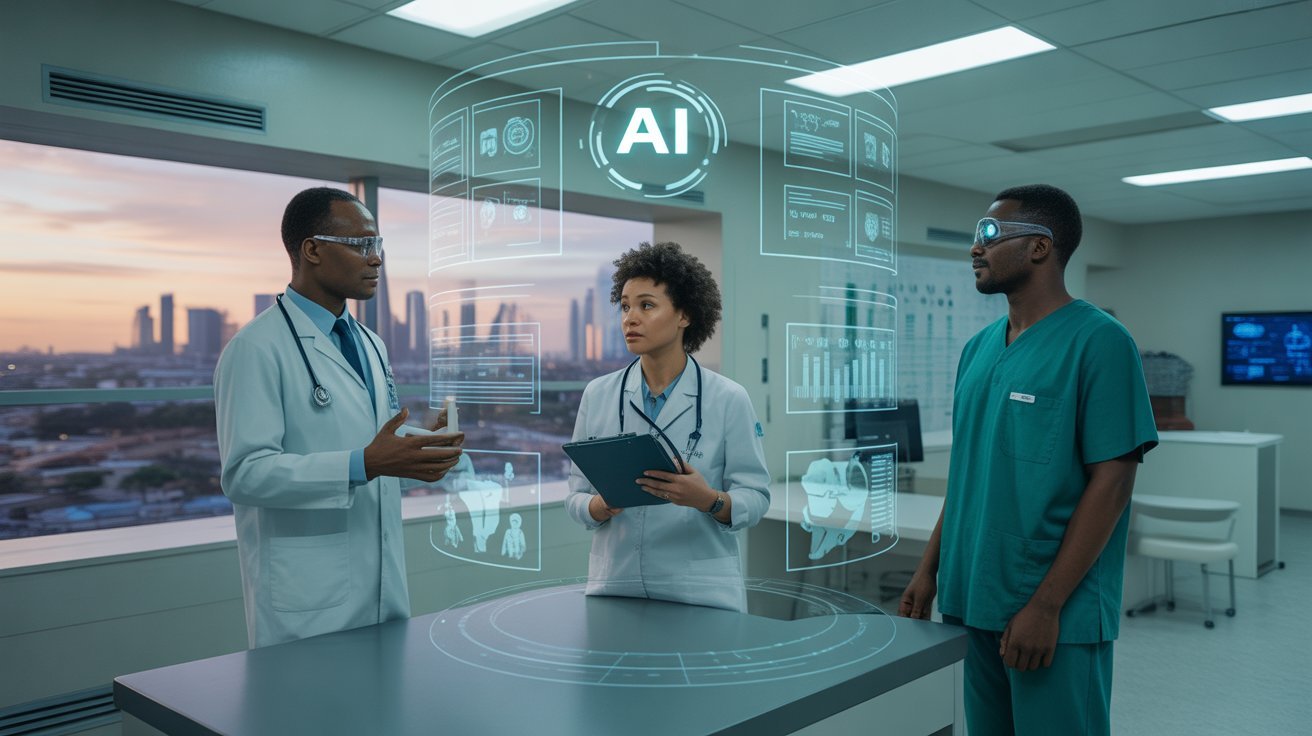
Critical thinking enables individuals to evaluate complex situations, make informed decisions, and navigate ambiguity. In many industries, the ability to assess information critically is paramount, particularly when collaboration with AI systems is involved. For example, healthcare professionals are now using AI to assist in diagnosing diseases. However, the final assessments rely heavily on the clinician’s judgment, showcasing the necessity for human expertise alongside AI insights.
Creativity is another key area where human skills shine. Artists, marketers, and innovators leverage their creative abilities to produce novel ideas and products that resonate emotionally with consumers. While AI can generate designs or content, it lacks the lived experiences and cultural insights that drive truly original thought. An inspiring instance is seen in the fashion industry, where designers are blending AI’s capability in trend analysis with their creative vision, producing collections that reflect both data and human artistry.
Emotional intelligence, the ability to understand and manage one’s own emotions as well as those of others, is instrumental in driving collaboration and fostering workplace relationships. In scenarios where human empathy is crucial, such as in education or mental health, AI can assist but cannot replace the critical human touch. Workers who develop emotional intelligence can work more effectively with AI tools, utilizing them to enhance interpersonal interactions and improve overall productivity.
As businesses adapt to AI technologies, stories abound of individuals and teams that have embraced these tools while honing their human skills. For example, companies deploying AI-driven customer service systems have seen their human agents elevate their roles, focusing more on complex inquiries that require emotional intelligence and problem-solving skills. This collaboration not only enhances service quality but also enriches the work experience for employees, further demonstrating the significance of the human factor in an AI-integrated environment.
Leveraging AI for Career Advancement
As the integration of Artificial Intelligence (AI) transforms the modern workplace, it becomes increasingly essential for individuals and business owners to embrace these technologies to drive career and organizational growth. Identifying the right AI tools that align with specific goals is a crucial first step. Popular AI technologies include machine learning platforms, natural language processing software, and data analytics tools. Each of these can enhance productivity and decision-making processes, providing individuals with a competitive edge.
Once suitable technologies are identified, the next step involves seeking resources for training and education on AI. Numerous online platforms, such as Coursera, Udemy, and edX, offer courses tailored to various skill levels, from beginner to advanced. Additionally, industry-specific workshops and seminars provide networking opportunities and valuable insights into the application of AI within specific fields. Individuals should also explore local community colleges or professional organizations that may offer AI-related training, ensuring they are equipped with the necessary knowledge and skills to harness AI effectively.
Integrating AI into existing workflows can significantly enhance efficiency and innovation. To achieve this, workers should begin by assessing their current processes and identifying areas where AI can provide support. For example, automating repetitive tasks through AI solutions can free up time for more strategic activities. Moreover, individuals should foster a culture that encourages collaboration between human intuition and AI capabilities, promoting a synergy that can lead to substantial improvements in output. By trialing small-scale AI applications, employees can gradually adapt to the technology and scale its use as confidence grows.
In conclusion, leveraging AI tools effectively can dramatically bolster one’s career trajectory and business growth. By identifying appropriate technologies, pursuing comprehensive training, and thoughtfully integrating these solutions into workflows, individuals can remain relevant and thrive in an era increasingly dominated by AI.
Embracing Change: Preparing for the Future of Work
As we navigate the complexities of the modern workforce, it is evident that adaptation to change is no longer optional but essential. Technology, particularly artificial intelligence, is reshaping industries, making continuous learning a necessity for anyone wishing to thrive in this new landscape. Embracing this change means not only leveraging AI tools but also being prepared to evolve one’s skills and mindset accordingly.
Adaptability emerges as a crucial trait in this dynamic environment. Workers must cultivate an openness to acquiring new skills and knowledge, as roles increasingly involve collaboration with AI technologies. This adaptability is intertwined with resilience—an ability to recover from setbacks and navigate transitions with confidence. Developing a growth mindset will empower individuals to view challenges as opportunities for development rather than obstacles.
To remain informed about AI trends and their implications across various sectors, professionals should engage actively with industry-related resources. Online courses, webinars, and professional networks can provide valuable insights into emerging technologies and how they influence job functions. Furthermore, subscribing to industry publications and following thought leaders on social media can enhance one’s understanding of AI’s role within specific fields.
Moreover, embracing a proactive approach to personal and professional development is paramount. Individuals should regularly evaluate their skills against market demands, seeking out training programs or workshops that offer relevant education in AI and automation. Networking with peers can also provide support and foster collaboration opportunities, enhancing their ability to adapt effectively.
In conclusion, the future of work is characterized by rapid technological advancements that require a commitment to lifelong learning. By fostering adaptability and resilience, and by actively engaging with new knowledge and practices, individuals can ensure their relevance and success in a work environment increasingly influenced by artificial intelligence.