Understanding AI Readiness
AI readiness refers to the capacity of an organization or a team to effectively adopt and integrate artificial intelligence technologies into their operations. It encompasses not only the technical skills required to leverage AI tools and systems but also the organizational culture and mindset that supports innovation and agility. As businesses increasingly recognize the importance of artificial intelligence in driving growth and optimizing processes, it becomes crucial to understand what it means for a team to be truly AI-ready.
Being AI-ready involves equipping team members with essential competencies such as data analysis, programming, and understanding machine learning concepts. Furthermore, soft skills like critical thinking, creativity, and collaboration are equally important, as they enable teams to innovate and solve complex problems. In addition to technical prowess, an AI-ready workforce is characterized by a culture that embraces change and continuous learning, fostering an environment where team members are motivated to explore new technologies and methodologies.
The benefits of having an AI-ready team are manifold. It can significantly enhance operational efficiency, driving innovation through the automation of routine tasks and the ability to derive actionable insights from big data. In the African context, where technology adoption is rapidly increasing, fostering AI readiness can be a pivotal factor in distinguishing leading organizations from their competitors. Companies that prioritize AI readiness stand to gain a competitive edge, as they are better placed to adapt to market dynamics and harness the potentials of emerging technologies.
In essence, understanding AI readiness is the first step toward integrating AI into a team’s workflow. This foundational aspect will encourage innovation and efficiency, ensuring that teams can leverage the full capabilities of artificial intelligence to meet the challenges and opportunities of the modern landscape.
Key Skills and Knowledge Areas for AI-Ready Teams
As organizations strive to harness the potential of artificial intelligence (AI), cultivating AI-ready teams is critical. This necessitates a comprehensive understanding of the key skills and knowledge areas that empower teams to effectively leverage AI technologies. The foundational technical skills include data analysis, programming proficiency, and a solid grasp of machine learning concepts. These skills equip team members to interpret complex data sets, develop algorithms, and implement AI solutions that enhance business processes and decision-making.
Data analysis remains paramount, as it enables teams to draw actionable insights from large volumes of information. Proficiency in programming languages such as Python or R enhances a team’s capability to build models that address specific challenges. Additionally, understanding the principles of machine learning, including supervised and unsupervised learning, can significantly contribute to the successful deployment of AI systems. As machine learning evolves, staying current with the latest advancements is essential.
Equally important are the soft skills that facilitate collaboration and innovation within AI-ready teams. Effective communication, teamwork, and problem-solving abilities are crucial for translating complex AI concepts into actionable business strategies. Furthermore, the ability to consider ethical implications surrounding AI usage is increasingly vital. Teams must be equipped to navigate the moral landscape associated with data privacy, bias, and the societal impact of AI applications.
To truly foster creativity and innovation in AI applications, adopting a multidisciplinary approach is essential. Inviting expertise from diverse fields such as psychology, sociology, and ethics encourages the exchange of ideas and perspectives, leading to more holistic solutions. By integrating various skill sets and viewpoints, organizations can better align their AI initiatives with broader business objectives while addressing potential ethical dilemmas. Therefore, investing in both technical proficiencies and interpersonal capabilities is key to building teams that are not only AI-ready but also poised for long-term success.
Effective Training and Development Strategies
As organizations aim to cultivate AI-ready teams, implementing effective training and development strategies is paramount. Various methods can be employed to ensure that employees possess the necessary skills and knowledge to navigate an AI-infused workplace successfully. Workshops represent one of the most engaging methods, allowing professionals to participate in hands-on experiences and learn directly from experts in the field. These interactive sessions provide employees with exposure to the latest AI technologies and their applications, establishing a practical understanding of their relevance in the workplace.
Additionally, mentorship programs play a crucial role in developing AI competencies within teams. Pairing less experienced employees with industry veterans fosters an environment of knowledge sharing, enabling newcomers to acquire both technical skills and strategic insights. These relationships can evolve over time, thereby enhancing the learning process and ensuring that organizational knowledge is passed down effectively.
Online courses also present a flexible option suited for diverse learning paces and styles. With the rise of numerous online education platforms, organizations can invest in tailored courses that address specific skill gaps in AI and related technologies. This adaptability allows team members to engage in continuous professional development while managing their daily workload.
Moreover, collaborative projects often yield a rich learning experience when team members work together on AI-oriented initiatives. These projects can harness collective expertise, encouraging team members to share insights and challenge each other’s thinking. As AI technologies are inherently collaborative, effective teamwork in these projects prepares employees for real-world applications and promotes innovative thinking.
Ultimately, it is essential that organizations foster a culture of ongoing learning and adaptation. Leadership plays a pivotal role in facilitating this by encouraging experimentation and creating an environment where continuous skill enhancement is championed. By employing a mix of workshops, mentorship, online courses, and collaborative projects, businesses can adeptly build AI-ready teams capable of thriving in an ever-evolving technological landscape.
Case Studies and Real-World Applications
Organizations across various sectors are increasingly recognizing the necessity of equipping their teams with artificial intelligence (AI) skills to remain competitive. In the education sector, for example, a prominent university implemented a comprehensive AI training program for faculty and staff. Initially met with skepticism regarding the relevance of AI in education, the program addressed key concerns through workshops and hands-on training, allowing educators to integrate AI tools into their curriculum. Consequently, this initiative not only enriched the learning experience but also enhanced faculty engagement with modern technology, illustrating how targeted training can transform traditional practices.
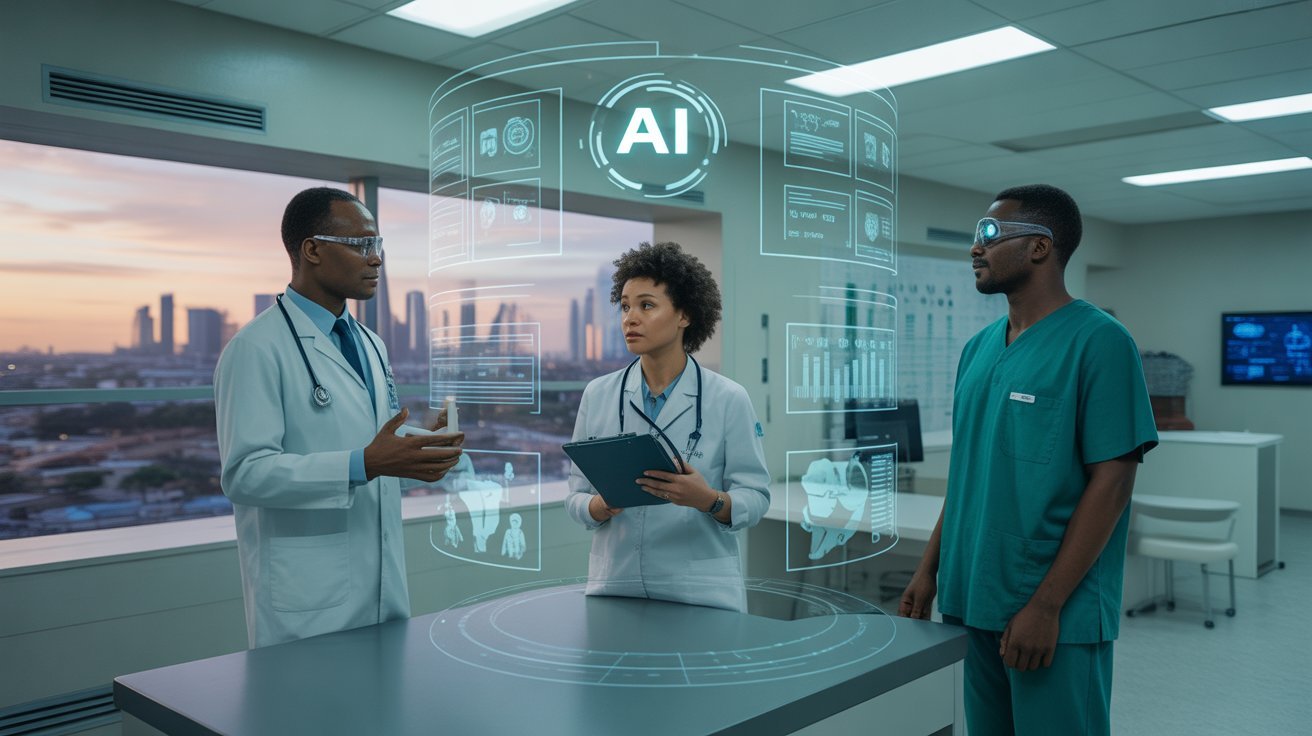
In healthcare, a major hospital system faced the challenge of streamlining patient care and improving operational efficiency. By establishing an AI-ready team comprising data scientists and healthcare professionals, they initiated a training program focused on predictive analytics. This program empowered the staff to analyze vast amounts of patient data to identify trends, ultimately leading to quicker diagnosis and more efficient resource allocation. The integration of AI solutions not only improved patient outcomes but also demonstrated the critical role of ongoing development in cultivating AI competency within teams.
The agriculture industry has also benefited from training initiatives aimed at building AI-ready teams. A leading agritech company successfully launched an internal training program that taught its employees how to utilize AI in precision farming techniques. The initiative involved collaboration with agricultural experts to ensure staff understood the practical applications of AI. As a result, the company optimized crop yields and minimized resource waste, proving the impact of AI-enabled teams on sustainability and productivity. These case studies exemplify the diverse approaches organizations can take to develop AI-ready teams and the profound impacts such initiatives can have across various sectors.