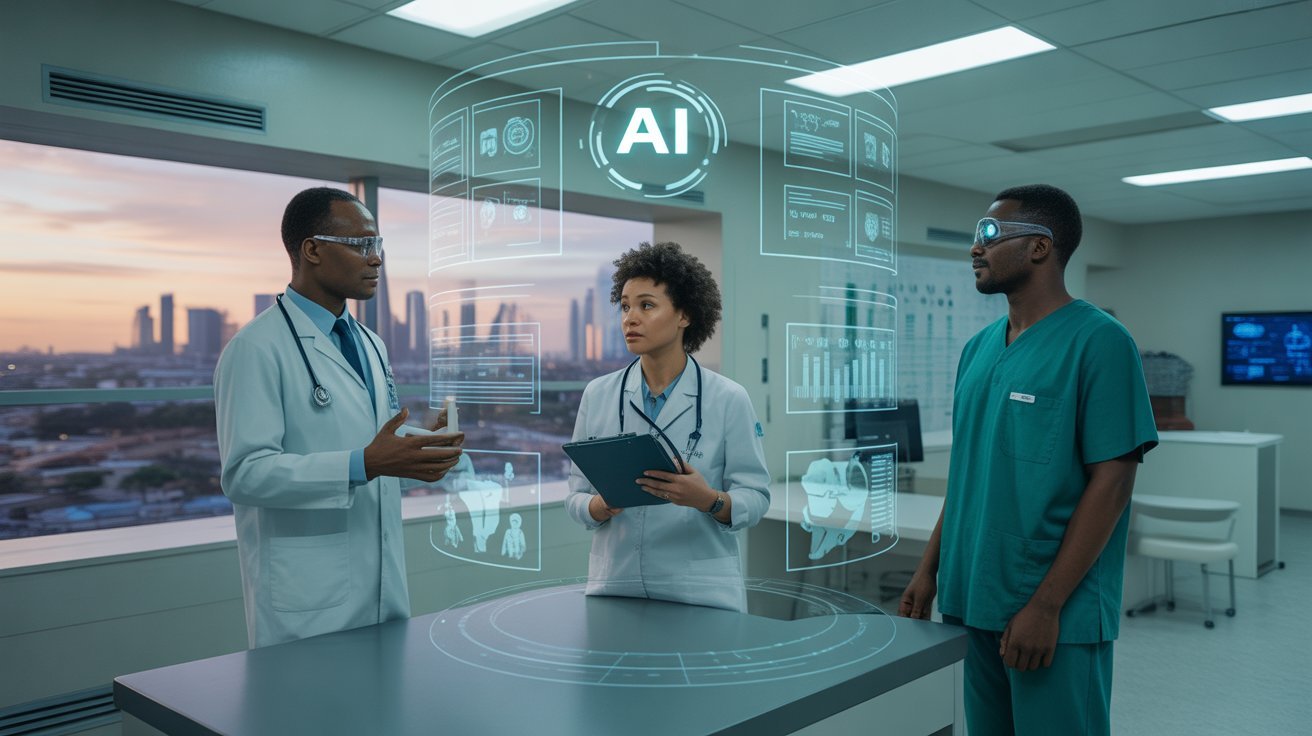
Introduction to AI-Powered Chatbots in Healthcare
Artificial Intelligence (AI) has transformed various sectors, and healthcare is no exception. One of the most innovative applications of AI in this field is the development of chatbots. AI-powered chatbots are sophisticated software programs designed to simulate human conversation and can provide immediate responses to user inquiries. These virtual assistants function through natural language processing (NLP) and machine learning, enabling them to understand user input and provide relevant information or services.
In the healthcare sector, the adoption of AI-powered chatbots has gained significant momentum. They serve diverse functions, from answering patients’ queries about symptoms and medications to providing appointment scheduling and medication reminders. The integration of chatbots into healthcare systems offers a means to enhance accessibility and streamline communication between patients and healthcare providers. Notably, these advancements have the potential to elevate patient engagement by ensuring that individuals receive timely assistance and information.
Globally, the trend towards integrating chatbots into healthcare practices is growing. Countless healthcare organizations are embracing this technology to improve operational efficiency, reduce wait times, and increase patient satisfaction. As healthcare systems strive to accommodate the rising demand for services, particularly in both urban and rural settings, chatbots present a viable solution, especially in contexts like Nigeria where healthcare resources may be stretched thin.
In Nigeria’s healthcare landscape, the implementation of AI-powered chatbots is beginning to make a noticeable impact. The increasing penetration of mobile technology and internet access facilitates the widespread use of chatbots, positioning them as an essential tool in enhancing patient engagement. Through real-time interactions, these technologies enhance the capacity of healthcare systems to provide timely care and support, paving the way for a more proactive approach to patient health management.
Current Challenges in Patient Engagement in Nigeria
The landscape of healthcare in Nigeria reveals numerous challenges that hinder effective patient engagement. A primary obstacle is the limited accessibility to healthcare information. Many patients struggle to obtain vital health-related information due to inadequate infrastructure, which includes the lack of reliable internet access and availability of healthcare services in remote areas. This limitation can prevent patients from making informed decisions about their health, thereby affecting their overall engagement with healthcare providers.
Language barriers further complicate communication between patients and healthcare practitioners. Nigeria is a linguistically diverse nation with over 500 languages spoken across its regions. This multifaceted linguistic landscape can lead to misunderstandings or misinterpretations of medical advice, ultimately diminishing patient involvement in their healthcare journey. Many patients may feel uncomfortable discussing their health concerns in a language they do not fully comprehend, leading to disengagement and noncompliance with treatment plans.
Moreover, the lack of personalized patient support exacerbates the problem of poor engagement. Many healthcare systems in Nigeria operate on a one-size-fits-all model, which does not account for the unique needs and preferences of individual patients. As a result, patients may feel overlooked or undervalued, further decreasing their motivation to participate in their own healthcare. Personalization in healthcare is crucial as it fosters a sense of belonging and encourages proactive involvement. For instance, tailored communication and support can significantly enhance a patient’s willingness to adhere to prescribed treatments and follow-up appointments.
In addressing these challenges, it becomes evident that innovative solutions, such as AI-powered chatbots, are paramount for improving patient engagement in Nigeria. By overcoming barriers to information access, facilitating better communication across language divides, and offering personalized support, these technologies can transform the healthcare experience for both patients and practitioners.
Case Study: Successful Implementations of Chatbots in Nigeria
The integration of AI-powered chatbots within the Nigerian healthcare system has led to significant advancements in patient engagement. One notable example is that of a leading healthcare provider, MobiHealth. The company implemented an AI-driven chatbot to facilitate communication between patients and healthcare personnel. The implementation process began with identifying common patient queries and health management needs, ensuring that the chatbot was specifically tailored to address these concerns. Following initial deployment, MobiHealth faced challenges such as data privacy issues and the need for continuous updates to the chatbot’s knowledge base. Nevertheless, the outcomes were remarkable, with an increase in patient engagement levels by over 30%, showing a substantial improvement in satisfaction rates.
Another pertinent case study is the partnership between a major hospital in Lagos and a technology startup. This collaboration aimed to improve appointment scheduling and patient follow-up through an AI chatbot. The implementation involved training the chatbot to understand specific medical terminologies and frequently asked questions regarding treatments and prescriptions. Initial challenges included system integration with existing hospital management software and user adaptation to new communication methods. However, by creating an engaging user interface and providing continuous support, the healthcare provider noted a reduction in missed appointments by nearly 25% and enhanced patient satisfaction metrics over six months.
A third example can be seen in community health services, where a rural clinic adopted an AI chatbot to educate local populations on maternal health. This initiative was particularly impactful as it enabled healthcare workers to reach patients without the limitations of geographical barriers. The chatbot was designed to dispense crucial information and reminders about prenatal care, vaccinations, and postpartum check-ups. Challenges included broadband access and ensuring that the chatbot communicated effectively in local dialects. Ultimately, the clinic reported higher rates of maternal health service utilization and improved health outcomes, demonstrating that technology can bridge information gaps in underserved communities.
The Future of AI-Powered Chatbots in Enhancing Patient Engagement
The integration of AI-powered chatbots in the Nigerian healthcare system holds significant promise for the future of patient engagement. As healthcare providers increasingly recognize the need for efficient, timely communication with patients, chatbots stand out as a viable solution. Their potential to enhance patient experiences and streamline interactions cannot be overstated. With advancements in natural language processing and machine learning algorithms, chatbots can provide personalized medical advice, appointment scheduling, and reminders, thereby improving accessibility to healthcare services.
Innovations in chatbot technology may soon lead to capabilities that allow for seamless integration with electronic health records (EHRs). This advancement would enable chatbots to provide contextually relevant information based on each patient’s history, catering to individual needs. Moreover, incorporating multilingual support can facilitate communication in a linguistically diverse country like Nigeria. As the adoption of smartphones continues to rise, chatbots can leverage these platforms to reach a wider audience, particularly in rural areas where access to healthcare professionals may be limited.
Growth predictions for AI-powered chatbots in Nigerian healthcare suggest that by 2025, a significant percentage of healthcare organizations will incorporate these technologies into their patient engagement strategies. This trend will potentially lead to improved patient follow-up, medication adherence, and overall satisfaction. Healthcare providers should prioritize the collection of feedback from users to refine these technologies continually. Training staff to work alongside chatbots effectively will also enhance interactions and ensure a smooth transition into this new mode of service delivery.
In conclusion, the future of AI-powered chatbots in enhancing patient engagement in Nigeria is bright. By embracing these technologies, healthcare providers can transform patient experiences, making healthcare delivery more efficient and responsive to the needs of the population. The ongoing evolution of AI presents a unique opportunity to overcome current challenges in the healthcare system, ultimately leading to better health outcomes for all Nigerians.