Understanding the AI Landscape
The field of artificial intelligence (AI) is rapidly evolving, characterized by an array of advancements and applications that are reshaping industries. At its core, AI encompasses a range of technologies designed to simulate human intelligence in machines. This includes machine learning, natural language processing, and computer vision, each playing a pivotal role in the development of intelligent systems. The current trends in AI highlight its growing capabilities, allowing for more complex problem-solving and enhanced decision-making processes across various sectors.
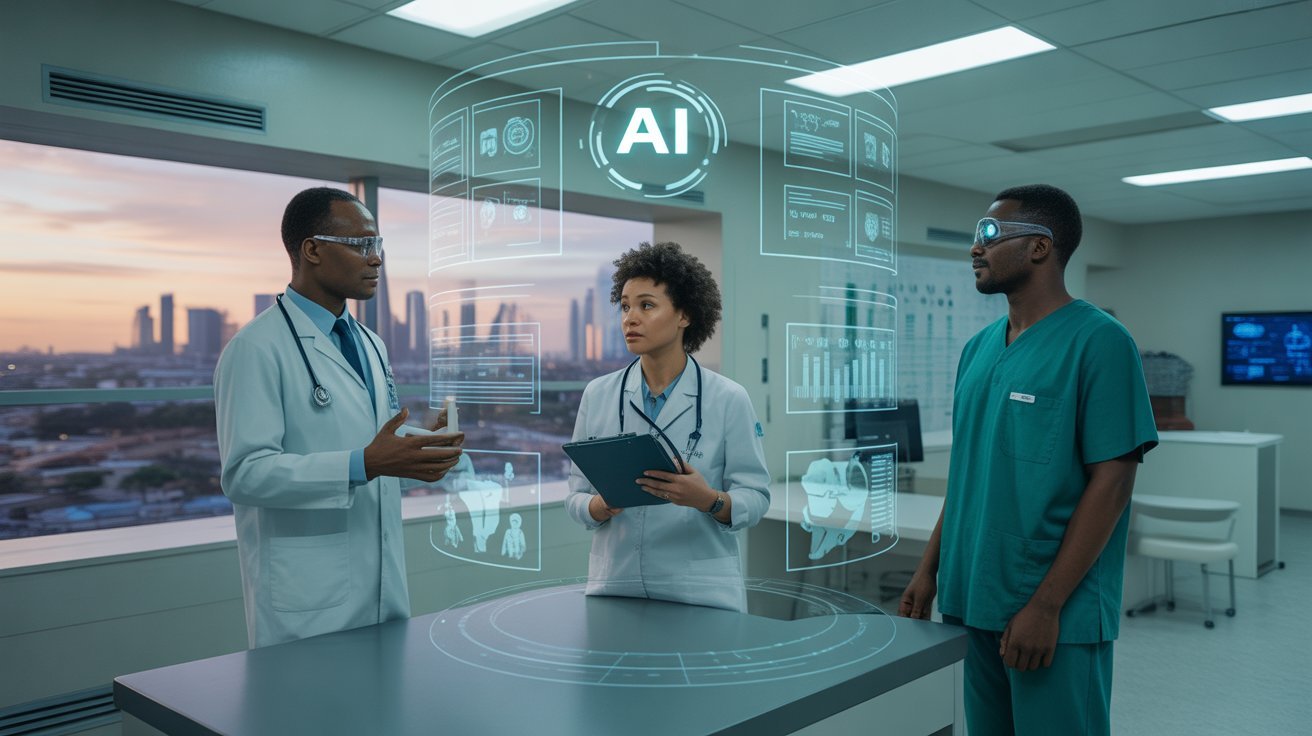
Different types of AI applications are emerging every day, impacting areas such as healthcare, finance, manufacturing, and customer service. In healthcare, for example, AI is revolutionizing diagnostics and personalized medicine through data analysis and predictive algorithms. In finance, AI-driven algorithms enable real-time risk assessment and fraud detection, providing a significant edge in market dynamics. Manufacturing benefits from AI via automation and predictive maintenance, which streamline operations and reduce downtime. Additionally, customer service is enhanced through chatbots and virtual assistants that improve user experiences by providing immediate responses and support.
As businesses and individuals increasingly integrate AI into their operations, understanding its practical implications is crucial. This integration varies from simple automation of repetitive tasks to complex, data-driven decision-making systems that learn from user interactions. However, misconceptions about AI, such as the belief that it can fully replace human jobs or think autonomously, can cloud the subject. In truth, AI is most effective when used as a tool to augment human capabilities rather than substituting them. By clarifying these misconceptions and emphasizing the potential of AI technologies, stakeholders can better appreciate the opportunities that lie within this ever-evolving landscape.
Identifying Your AI Goals and Objectives
As organizations and individuals embark on their journey from mere curiosity about artificial intelligence (AI) to developing a comprehensive strategy, the first crucial step involves identifying clear goals and objectives related to AI implementation. A well-defined framework for setting these goals allows for a structured approach to incorporate AI into various operational facets. It is essential to assess current needs and capabilities to determine feasible and impactful AI initiatives.
To begin, a thorough evaluation of existing business processes or personal workflows is recommended. This evaluation helps in recognizing areas where AI can offer significant enhancements, such as improving efficiency, automating repetitive tasks, or augmenting decision-making processes. Engaging stakeholders from various departments ensures a diverse perspective on how AI could address specific challenges or opportunities, fostering a collaborative vision for AI integration.
Once potential AI applications are identified, the next step is to set actionable objectives that align with broader organizational or personal strategies. These objectives should be SMART – Specific, Measurable, Achievable, Relevant, and Time-bound. For instance, a business may aim to reduce customer response times by 25% within the next year through the implementation of AI-driven chatbots. Such clear and quantifiable targets facilitate progress tracking and motivate teams to achieve set milestones.
Additionally, prioritizing areas for AI implementation is vital to maximize impact while selecting projects based on resource availability, urgency, and potential return on investment. Leaders must ensure that the AI goals resonate with the overall strategic vision, thereby ensuring that any AI initiative contributes meaningfully to wider aspirations. By thoughtfully identifying and articulating AI goals and objectives, individuals and businesses can strategically transition from curiosity to effective and purposeful AI integration.
Creating a Step-by-Step AI Roadmap
Implementing artificial intelligence (AI) strategically requires a well-structured roadmap, which can serve as a guiding framework for organizations. The first essential step is conducting a readiness assessment. This process involves evaluating the current technological infrastructure, data quality, and human resources available within the organization. Assessing these factors helps in identifying potential gaps that may hinder the effective adoption of AI technologies.
Next, organizations should engage in comprehensive research to identify potential AI solutions that align with their specific needs and objectives. This entails analyzing various AI tools, platforms, and services available in the market. It is crucial to consider both off-the-shelf and custom-built options based on organizational requirements. This thorough exploration helps ensure that the chosen solutions will be effective in addressing the identified challenges.
Once potential solutions have been identified, piloting small-scale AI projects is advisable. This step allows organizations to test the AI applications in a controlled environment, providing valuable insights without the risk associated with large-scale deployments. Successful pilot projects can serve as proof of concept while also facilitating stakeholder buy-in and support.
After a refined approach based on pilot outcomes, organizations can transition to scaling successful implementations. This phase involves integrating the AI solutions across broader segments of the organization. A crucial aspect of scaling is developing a robust change management strategy to ensure that team members are well-prepared for the transition.
Finally, continuous learning and adaptation are vital components of an AI roadmap. The rapidly evolving landscape of AI technologies necessitates ongoing education and flexibility. Organizations should invest in training their workforce and remain open to iterating their strategies in response to emerging trends and insights. Embracing this dynamic nature of AI will empower organizations to remain competitive and innovative in their respective industries.
Overcoming Common Challenges in AI Adoption
The adoption of Artificial Intelligence (AI) technologies presents several challenges that can hinder progress for individuals and businesses alike. One primary concern during the integration of AI is technical barriers. Often, organizations lack the necessary infrastructure, tools, or expertise to implement AI solutions effectively. This technical gap can create a steep learning curve for employees, leading to hesitancy in adopting new technologies. To address this issue, investing in robust IT infrastructure and providing comprehensive training programs for staff can streamline the transition towards AI utilization.
Furthermore, data-related issues frequently pose significant challenges when adopting AI technologies. High-quality data is essential for developing effective AI systems; however, many organizations struggle with data collection, management, and quality assurance. Inadequate or corrupted data can lead to suboptimal AI performance and skewed results. To mitigate such risks, businesses must prioritize data governance strategies alongside AI implementation. This includes establishing clear data policies, investing in data cleaning processes, and utilizing advanced analytics tools to ensure that the information used is both relevant and reliable.
Resistance to change among stakeholders can also hinder the successful adoption of AI. Employees may fear job displacement or may not fully understand the potential benefits of AI integration. To combat this barrier, fostering a culture of innovation and continuous learning is imperative. Open communication, showcasing success stories, and involving stakeholders in the AI development process can enhance buy-in and reduce apprehension. Moreover, engaging mentorship programs and community resources focused on AI education can empower African audiences, equipping them with the knowledge and confidence needed to embrace AI technology and navigate these challenges effectively.