Understanding AI in Content Creation
Artificial Intelligence (AI) represents a collection of technologies designed to emulate human cognitive functions, extending its applications across various fields, including content creation. The evolution of AI technology has enabled remarkable advancements, transitioning from simplistic algorithms to sophisticated systems capable of understanding, generating, and even optimizing written content. In recent years, AI writing tools have gained traction, harnessing large datasets and machine learning techniques to produce high-quality narratives, enhance productivity, and refine the overall writing process.
In the realm of content creation, there are various types of AI utilized, each tailored to specific tasks. Natural Language Processing (NLP) is one of the most prominent forms, enabling machines to comprehend and generate human language efficiently. Through NLP, AI systems can analyze text, generate ideas, and even draft content with remarkable fluency. Another significant category involves AI-driven content optimization tools that assist creators in refining their work by analyzing readability, engagement metrics, and even search engine optimization (SEO) strategies. These tools are particularly beneficial to businesses looking to improve their online presence in an increasingly digital marketplace.
The benefits of using AI in content creation are manifold. For writers and businesses alike, AI enhances efficiency, in that it can automate routine tasks and expedite the content generation process. This allows creators to focus on more strategic aspects of their work, such as ideation and audience engagement. Furthermore, AI aids in maintaining consistency across various forms of written content, which is crucial for brand voice preservation. In the context of Africa, where digital transformation is gaining momentum, the adoption of AI technologies stands poised to improve content production workflows, thereby expanding opportunities for local writers and businesses to engage a global audience effectively.
Advanced AI Tools for Content Creators
As content creators seek to enhance the quality and efficiency of their work, advanced AI tools have emerged as valuable assets in the content creation landscape. These tools extend beyond basic writing aids, offering features that support comprehensive content development. Platforms dedicated to content generation, natural language processing, and machine learning models provide unique functionalities that streamline the writing process while enhancing the depth of the content.
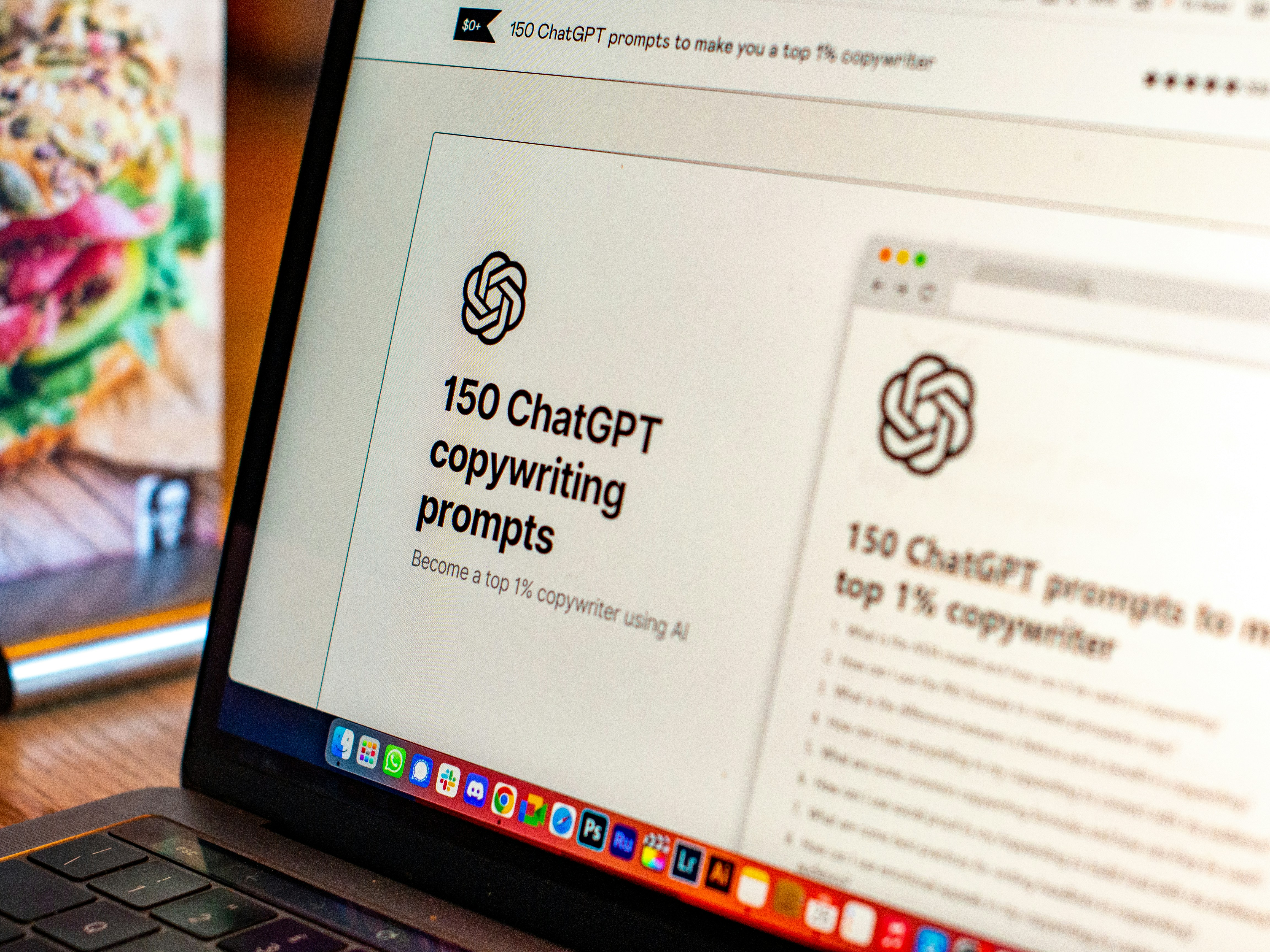
One prominent category of these AI tools is advanced content generation software. For example, platforms like OpenAI’s ChatGPT and Jasper.ai utilize machine learning models to produce coherent and contextually relevant text based on user prompts. These tools are not merely equipped for grammar checks, but can generate entire articles, summaries, and even creative texts, all while maintaining a consistent voice and style agreed upon by the user. This capability allows writers to focus on higher-level concepts, letting AI handle more of the mindless writing aspects.
Natural language processing (NLP) applications, such as Grammarly and ProWritingAid, have grown exponentially in their capabilities. These platforms analyze text for grammatical inconsistencies and stylistic issues in real-time, offering suggestions for improvement based on advanced algorithms. Their unique value lies in the ability to provide analysis on tone, engagement, and readability, thereby assisting writers in producing tailored content that resonates with their audience.
Moreover, AI-driven tools like Wordtune or Quillbot focus on rephrasing and enhancing existing content. Such tools can help content creators refine their writing by suggesting alternatives and enriching vocabulary. By aligning the suggestions with the creator’s intended message, these tools also contribute to more engaging and polished final outputs. In conclusion, leveraging these advanced AI tools can revolutionize the way content is created, allowing for higher quality and more effective communication.
Integrating AI into Your Content Strategy
Integrating artificial intelligence (AI) into your content strategy can significantly enhance both the efficiency and effectiveness of your content creation processes. To begin with, it is crucial to identify specific content gaps that AI technology can address. For instance, AI can analyze audience behavior and preferences, providing insights into topics that resonate well with your target audience. This analysis allows content creators to align their projects more closely with audience interests, ultimately increasing engagement.
Moreover, AI can automate repetitive tasks that often consume considerable time in the content production cycle. For example, generating basic reports, tracking metrics, and repurposing content across different platforms can be streamlined using AI tools. By automating these processes, content creators can allocate more time for higher-value tasks, such as crafting unique narratives or developing creative strategies that require human intuition and emotional intelligence.
While the integration of AI into content strategies can enhance productivity, it is essential to view AI as a tool for creative enhancement rather than a replacement for human effort. AI can assist in brainstorming ideas or generating text drafts, but the final output should retain the individual’s unique voice and perspective. Utilizing AI to complement human creativity can lead to innovative projects that might not have been possible without this collaboration.
Another key aspect is the importance of balanced human oversight. Even with advanced algorithms at work, the authenticity and quality of the content must be maintained. Content creators should regularly review and edit AI-generated outputs to ensure that they reflect the brand’s values and resonate with the audience’s expectations. By doing so, African content creators can embrace AI in a way that empowers their work while maintaining control over the final product.
Case Studies: Success Stories of AI in Content Creation
The integration of artificial intelligence into content creation has yielded remarkable results for various businesses and individuals across Africa. One notable example comes from a leading e-commerce platform in Nigeria, which adopted AI-driven content generation tools to enhance product descriptions and marketing materials. The results were significant: the company reported a 30% increase in conversion rates within six months, as AI helped to create more engaging and personalized content that resonated with customers. Testimonials from the marketing team highlight how AI tools allowed them to automate the bulk of content generation, freeing up valuable time for creative brainstorming and strategy development.
In South Africa, a media startup leveraged AI to streamline its newsroom operations. By utilizing AI algorithms to analyze trending topics and audience preferences, the company was able to produce relevant articles rapidly. This adaptability led to a 50% increase in web traffic within just three months. The editorial team noted that while AI provided the foundation for content generation, their insights remained crucial in adding depth and context to AI-produced articles. This case illustrates how AI does not replace creativity; rather, it enhances it, allowing writers to focus on high-value content generation.
Another inspiring example is found in the education sector in Kenya. An edtech company employed AI to curate personalized learning materials for students. Through data analysis, the AI system tailored content according to individual learning paces and preferences, significantly improving student engagement and performance. User feedback indicated a 40% rise in course completion rates, showcasing how AI-driven content can make educational resources more accessible and effective.
These case studies demonstrate that the application of AI in content creation has far-reaching benefits across diverse sectors in Africa. From enhanced productivity to improved audience engagement, AI technologies are empowering businesses and individuals to not only meet but exceed their content goals.