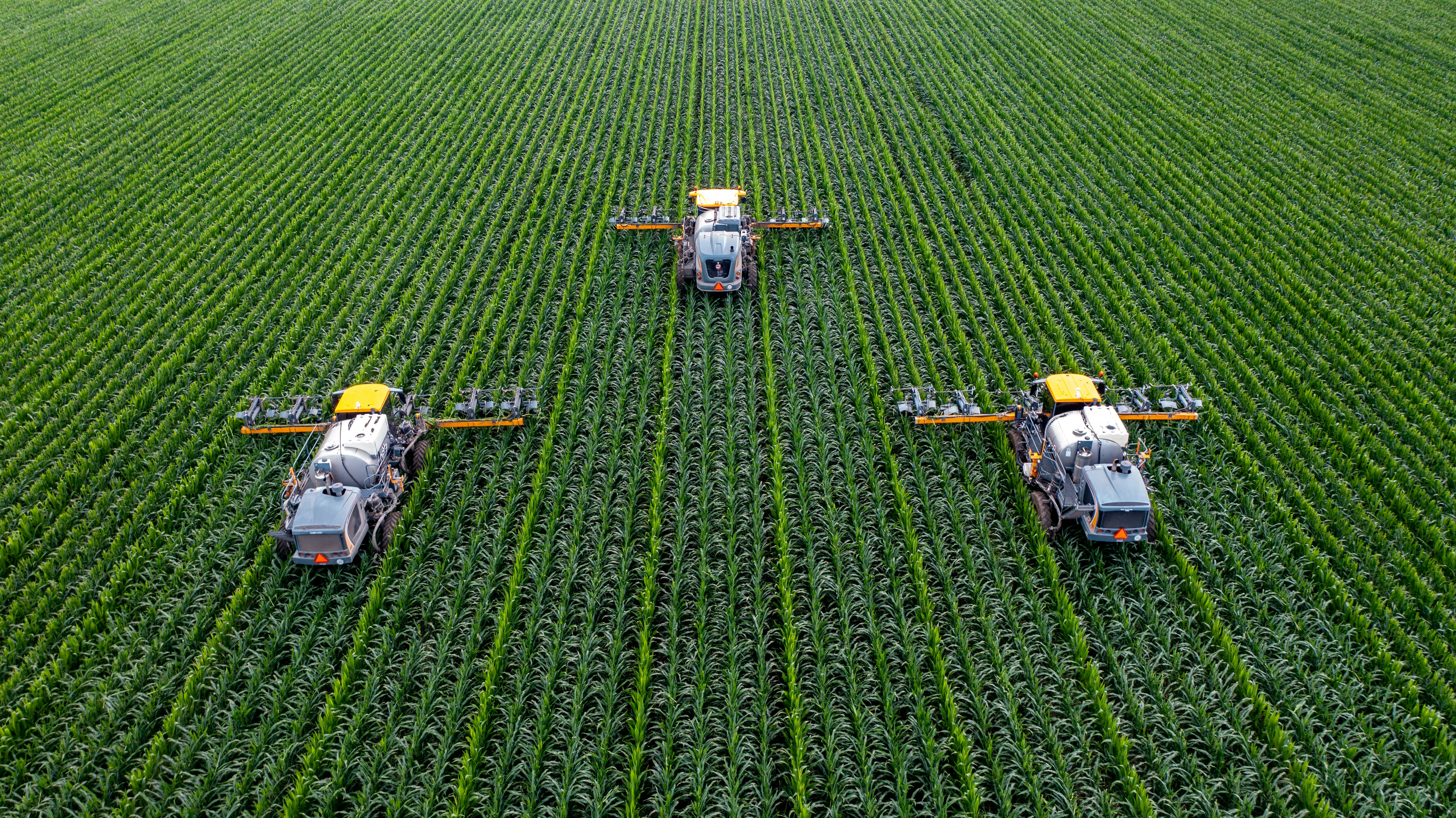
Understanding the Role of AI in Agriculture
Artificial intelligence (AI) encompasses a range of technologies that can simulate human intelligence, enabling machines to perform tasks that typically require cognitive functions. In agriculture, AI is revolutionizing traditional farming practices by introducing innovative solutions that enhance productivity, efficiency, and sustainability. Understanding the role of AI in agriculture begins with recognizing its core components, which include machine learning, computer vision, and robotics.
Machine learning is a subset of AI that focuses on the development of algorithms capable of learning from and making predictions based on data. In the agricultural context, machine learning can analyze vast amounts of data from various sources, such as weather patterns, soil health, and crop conditions, to generate actionable insights. By utilizing these insights, farmers can make informed decisions regarding planting schedules, pest management, and resource allocation.
Computer vision, another critical aspect of AI, involves the ability of machines to interpret and understand visual information from the world. In agriculture, drones equipped with computer vision can monitor crop health, identify pest infestations, and assess environmental conditions. This real-time data provides farmers with a powerful tool for precision agriculture, allowing them to optimize input usage, thereby reducing waste and improving yield.
Furthermore, robotics plays a significant role in automating repetitive tasks on farms, such as planting, harvesting, and weeding. By integrating robotics with AI technologies, farmers can enhance operational efficiency while managing labor shortages. The combination of these technologies not only boosts productivity but also promotes sustainable farming practices by minimizing the environmental impact associated with traditional agriculture.
In summary, the integration of AI into agriculture has the potential to transform the sector, making it more productive, efficient, and environmentally sustainable. Understanding the fundamental concepts of AI and its applicability in agriculture sets the stage for exploring specific AI-driven solutions tailored to the unique challenges faced in African agriculture.
Current Trends and Innovations in Smart Farming
The integration of artificial intelligence (AI) into agriculture marks a significant evolution in the method of farming, particularly in African nations where the need for innovative solutions has become paramount. Recent trends reveal that AI technologies, such as machine learning, predictive analytics, and the Internet of Things (IoT), are playing crucial roles in enhancing smart farming practices. These technologies enable farmers to make data-driven decisions aimed at maximizing crop yield while minimizing resource waste.
Machine learning algorithms, for instance, analyze vast amounts of agricultural data to identify patterns and provide insights into optimal planting times, crop rotation strategies, and pest management techniques. In countries like Kenya, farmers have begun employing advanced predictive analytics to forecast weather patterns and soil conditions, enabling them to adjust their farming practices proactively. This effectively reduces crop losses and ensures sustainable yield levels even in the face of climate variability.
Furthermore, the impact of IoT has transformed the landscape of smart farming. Sensors and connected devices can monitor soil moisture, nutrient levels, and crop health in real-time, allowing farmers to react swiftly to changing conditions. In South Africa, certain farmers have adopted IoT-based irrigation systems that optimize water use based on real-time weather data and soil conditions, thus enhancing water conservation efforts without compromising agricultural productivity.
Case studies from various African countries underscore the potential of these AI technologies. For example, in Ghana, drone technology is being utilized to perform aerial assessments of farmlands, enabling farmers to gain a holistic view of their crops. Such innovations not only improve productivity but also play an essential role in food security for local communities. Overall, as these smart farming solutions gain momentum, they promise to address pressing agricultural challenges while fostering sustainable practices across African agriculture.
Challenges and Barriers to AI Adoption in Africa
The adoption of artificial intelligence (AI) in African agriculture faces numerous challenges, which hinder its widespread implementation. One prominent barrier is the limited access to technology. Many farmers operate in rural areas where internet connectivity is insufficient, making it difficult to utilize advanced AI solutions that rely heavily on real-time data. This lack of access not only affects individual farmers but also impacts the agricultural supply chain as a whole, perpetuating inefficiencies.
Another significant challenge relates to digital literacy. Many stakeholders in the agricultural sector, including farmers, business owners, and educators, may not possess the necessary knowledge or skills to effectively use AI technologies. This gap in digital literacy means that even when advanced tools are available, they may not be utilized to their full potential. Training programs and resources tailored to the needs of local farmers are essential to bridge this gap, ensuring that users can navigate AI applications confidently.
Financial constraints also pose a serious hurdle to AI adoption. The initial investment in AI technologies can be high, deterring smallholder farmers and agribusinesses with limited financial resources. Without adequate funding, many potential users may lack the ability to procure the necessary tools or technologies. Furthermore, banks and financial institutions may be reluctant to provide loans for AI investments due to perceived risks or lack of understanding of these technologies. Therefore, financial support and innovative funding models are critical to encourage investment in AI solutions.
Infrastructural inadequacies further exacerbate these challenges. Poor road networks, unreliable electricity supply, and inadequate storage facilities can undermine the effectiveness of AI technologies in farming. Addressing these infrastructural issues is vital for creating an environment conducive to the successful implementation of AI innovations. It requires a multifaceted approach, involving government investment and collaboration with private sector stakeholders.
Steps Toward Implementing AI Solutions in African Agriculture
Implementing artificial intelligence (AI) solutions in African agriculture requires a strategic approach that can help individuals, business owners, and educators take meaningful steps toward adoption. The first step is to start small. Rather than attempting to overhaul entire agricultural practices at once, stakeholders can begin by integrating AI in specific areas such as crop monitoring or pest management. This allows for manageable implementation, enabling farmers to assess the benefits and challenges of AI technologies.
Next, leveraging existing platforms can significantly ease the transition into AI-driven agriculture. Numerous local and international platforms offer AI tools and resources tailored to the agricultural context in Africa. Utilizing these platforms allows users to harness pre-built solutions that can be customized for local needs, thus reducing the barrier to entry that might exist for individuals unfamiliar with AI technology.
Seeking partnerships is also crucial in the journey toward AI implementation. Collaboration with technology providers, agricultural research institutions, and other stakeholders can facilitate knowledge sharing and resource pooling. These partnerships can also enhance access to training programs and support networks, fostering a culture of innovation among farmers and educators alike.
Another essential step is fostering community engagement. Local workshops or seminars can educate farmers about the benefits and uses of AI. Encouraging communal participation not only builds awareness but also promotes collective problem-solving, ensuring that the AI tools adopted are practical and beneficial to all stakeholders involved.
By focusing on these actionable strategies, individuals and organizations can demystify AI technology and make it more accessible to the agricultural community at large. Each small initiative contributes to a broader movement towards sustainable and efficient agricultural practices that can transform the landscape of African farming.