Understanding the Evolution of AI
The journey of artificial intelligence (AI) can be traced back to the mid-20th century, when the concept emerged as a theoretical possibility rooted in early computational theories. The initial stages were characterized by simple algorithms that could perform basic tasks. However, the limitations of these early systems became apparent, as they struggled with more complex problem-solving capabilities. The advent of the 1980s marked a significant turning point in AI development with the introduction of expert systems, which utilized rule-based algorithms. These systems demonstrated the potential Applications of AI in specialized domains, such as medical diagnosis and financial forecasting.
As the years progressed, the landscape of AI continued to evolve, primarily driven by advancements in computing power and data availability. The 1990s saw the emergence of machine learning, a subset of AI that enabled systems to learn from data without being explicitly programmed. This paradigm shift transformed the AI landscape by allowing algorithms to improve their performance over time through experience. With the rise of the internet, vast amounts of data became accessible, further enhancing the capability of machine learning algorithms.
The introduction of neural networks in the 2000s provided yet another leap forward in artificial intelligence. These complex models, inspired by the human brain’s structure, allowed AI systems to recognize patterns and make sense of unstructured data. Deep learning, an advanced subset of neural networks, found applications in various fields, including image recognition, natural language processing, and robotics. The integration of natural language processing (NLP) has been particularly transformative, enabling machines to understand, interpret, and generate human language with increasing accuracy, thus bridging communication gaps.
Looking back, it is evident that the evolution of AI has been marked by significant milestones and technological advancements that have paved the way for current capabilities. Understanding this history is crucial, as it informs the trajectory towards future developments in AI, setting the stage for the innovations we can anticipate by 2026.
Predicting AI Trends for 2026
As we look towards 2026, several key trends in artificial intelligence are poised to reshape various sectors, driving advancements that enhance efficiency and productivity. One of the most notable areas of progress is automation. The capabilities of AI in automating routine tasks are expected to expand significantly, reducing the need for human intervention in repetitive processes. This shift is not only attributed to technological advancements but also reflects a growing demand for businesses to streamline operations and minimize costs.
Personalization is another critical area where AI is anticipated to excel by 2026. AI algorithms will become increasingly sophisticated, allowing for the creation of highly personalized experiences across sectors such as retail, entertainment, and education. By leveraging data analytics and machine learning, AI systems will be able to understand and predict individual preferences, leading to customized recommendations and services that cater to the unique needs of users. This trend will likely foster greater customer satisfaction as businesses become more adept at anticipating and fulfilling specific demands.
Responsible AI development will also be a focal point as ethical considerations grow pivotal in the design and deployment of AI technologies. By 2026, a stronger emphasis on transparency, fairness, and accountability is expected, particularly as AI is integrated into decision-making processes that affect individuals and communities. Organizations will need to address biases within AI models and ensure that technological growth aligns with societal values to build public trust and ensure equitable access to AI solutions.
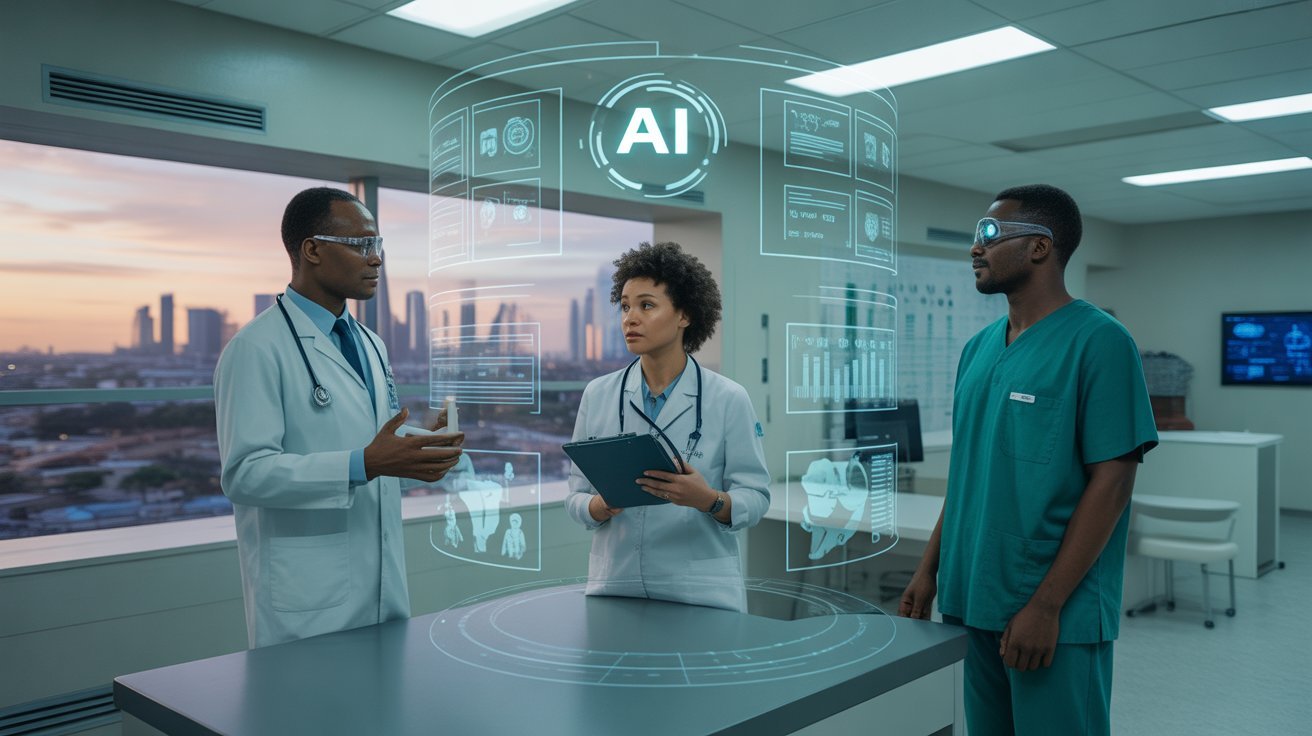
Lastly, integration of AI within varied sectors such as healthcare and education is likely to lead to innovative solutions tailored to community-specific challenges. For instance, in healthcare, AI can enhance diagnostic processes and personalize treatment plans, ultimately improving patient outcomes. Similarly, in education, adaptive learning systems driven by AI can cater to individual learning styles, enabling students to engage with material at their own pace. Together, these trends underscore the relevance of AI, promising a transformative impact on everyday life by 2026.
Real-World Applications of AI in 2026
As we look towards 2026, the transformative potential of artificial intelligence (AI) is set to become increasingly evident across various sectors. One of the most promising domains is agriculture, where AI-driven precision farming techniques will revolutionize crop production. By leveraging data analytics and machine learning algorithms, farmers will be able to monitor soil conditions, optimize irrigation, and manage pest control with remarkable accuracy. This not only enhances productivity but also promotes sustainability by minimizing resource waste.
In the financial sector, AI’s role will expand significantly, particularly through the implementation of predictive analytics. By analyzing vast datasets, financial institutions will be equipped to forecast market trends more reliably, leading to better investment decisions. Furthermore, AI will enhance risk management processes, allowing banks and insurance companies to identify potential defaults or fraud more effectively. This proactive approach could mitigate financial losses and foster trust between institutions and consumers.
Customer service is another area poised for substantial AI integration. In 2026, businesses will increasingly adopt AI-driven customer support solutions such as chatbots and virtual assistants. These tools will be designed to provide personalized interactions, addressing customer inquiries promptly and efficiently. By utilizing natural language processing and sentiment analysis, AI systems will not only resolve issues but also enhance customer satisfaction by anticipating needs and preferences. Moreover, the data gathered from these interactions will yield valuable insights for organizations to refine their services and products further.
Overall, the real-world applications of AI in 2026 will demonstrate its indispensable role in addressing major challenges across industries, facilitating enhanced productivity, improved decision-making, and elevated customer experiences. The integration of artificial intelligence into everyday operations is poised to reshape the landscape of multiple sectors, driving innovation and efficiency.
Preparing for an AI-Driven Future
As we approach 2026, the potential impact of artificial intelligence (AI) on various sectors in Africa cannot be overstated. To thrive in an AI-driven landscape, individuals, business owners, and educators must prioritize AI literacy and skill development. This begins with understanding the fundamentals of AI technology, its applications, and its implications for various professions. By cultivating a foundational knowledge of AI, one can navigate the rapidly evolving technological environment and make informed decisions about its integration in everyday tasks.
Embracing lifelong learning is crucial in a world where new technologies emerge continuously. Individuals should engage in training programs, workshops, and online courses that focus on AI-related skills. Many educational institutions have started offering specialized courses in data analysis, machine learning, and AI ethics. By actively seeking these learning opportunities, individuals can enhance their employability and adaptability in an era where AI applications are becoming commonplace.
For business owners, it is essential to explore AI tools that can streamline operations and improve efficiency. From predictive analytics to customer relationship management systems, AI can provide valuable insights that drive business growth. Moreover, understanding how to implement AI within an organization requires a strategic approach, ensuring that all employees are onboard and effectively trained to utilize these technologies. This will not only improve productivity but will also foster a culture of innovation.
Educators play a pivotal role in preparing future generations for an AI-driven society. By incorporating AI principles into curricula and fostering critical thinking, educators can equip students with the skills necessary for the workforce of the future. Commitment to staying informed about emerging technologies will not only benefit educators but also empower students, enabling them to leverage AI’s advantages as they enter the job market.
In summary, by prioritizing AI literacy, embracing lifelong learning, exploring relevant tools, and fostering an innovative educational environment, individuals and organizations in Africa can successfully prepare for an AI-driven future. This proactive approach will position them advantageously, allowing them to harness the benefits that AI technologies bring.