Understanding Legacy Systems in Traditional Industries
Legacy systems refer to outdated computer systems, technologies, or applications that remain in use within an organization despite the availability of newer and more efficient alternatives. These systems are often deeply integrated into the operational fabric of various traditional industries, such as manufacturing, agriculture, and healthcare. Their significance cannot be overstated, as they often hold vital business processes, data, and customer relationships. However, these systems face numerous challenges in today’s fast-evolving digital landscape.
One of the primary strengths of legacy systems is their stability and reliability. Many have been operational for decades, providing consistency for organizations that depend on them. Their established processes have often been tailored over time to meet specific organizational needs, yielding a wealth of institutional knowledge and functionality. Additionally, the complexity associated with these systems makes them difficult to replace, which can deter organizations from pursuing modernization efforts.
Despite these strengths, legacy systems exhibit considerable weaknesses. They typically lack the flexibility required to adapt to new business demands and technological advancements. Their maintenance can become increasingly costly as spare parts become scarce and skilled personnel with knowledge of these older systems dwindle. Furthermore, legacy systems often pose significant security risks. Older software may not receive regular updates or patches, leaving them vulnerable to cyber threats, which can jeopardize sensitive data and compliance with regulatory requirements.
In traditional industries, where efficiency and competitiveness are crucial, the challenges presented by legacy systems necessitate urgent attention. The modern landscape demands systems capable of integrating advanced technologies, such as artificial intelligence (AI), to enhance productivity and decision-making processes. Therefore, organizations must recognize the importance of modernizing legacy systems to remain viable and effective in today’s dynamic marketplace.
The Transformation with AI: Integrating New Technologies
In the rapidly evolving digital landscape, artificial intelligence (AI) has emerged as a critical asset for modernizing legacy systems across various industries. Traditional systems, often characterized by outdated technologies, can hinder organizational growth and efficiency. However, integrating AI can significantly enhance these systems by leveraging advanced capabilities such as machine learning and data analytics.
Machine learning, a subset of AI, enables systems to learn from data and improve over time without explicit programming. By implementing machine learning algorithms, companies can automate routine tasks, optimize processes, and derive actionable insights from complex datasets. This transition not only boosts productivity but also reduces operational costs, allowing organizations to allocate resources more effectively.
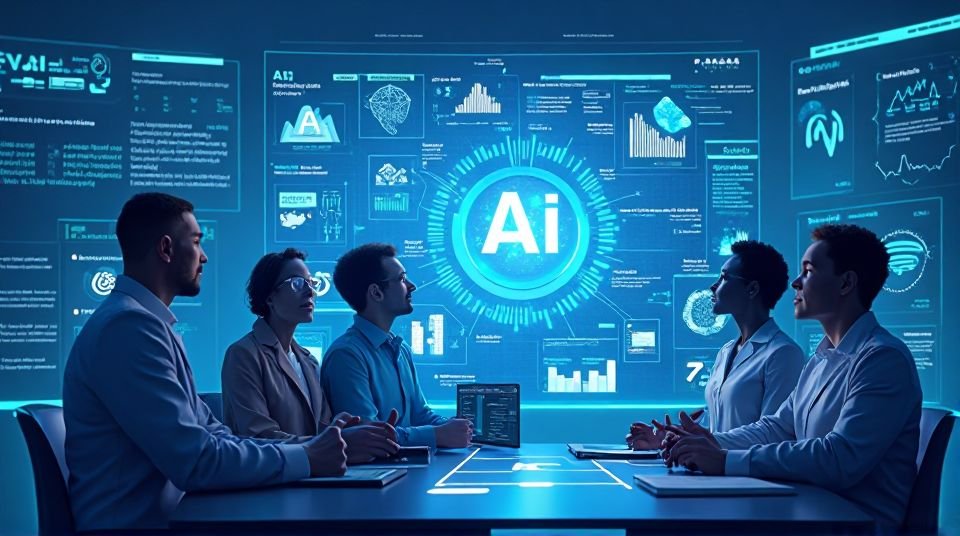
Data analytics, another essential component of AI, plays a pivotal role in transforming legacy systems. By analyzing historical data, businesses can uncover patterns and trends that inform strategic decision-making. This capability allows companies to anticipate market changes, enhance customer experiences, and ultimately gain a competitive advantage in their respective sectors.
Several African businesses have successfully adopted AI solutions to modernize their operations. For instance, a retail company in Nigeria implemented machine learning models to optimize inventory management, resulting in a significant reduction in excess stock and improved cash flow. Similarly, a financial institution in Kenya employed advanced data analytics to streamline customer onboarding processes, which led to enhanced customer satisfaction and reduced processing times.
By embracing AI, these organizations exemplify how integrating new technologies can rejuvenate legacy systems, providing a clear pathway to greater efficiency and effectiveness. The transformative potential of AI is evident, and as more companies prioritize this integration, the benefits to both productivity and decision-making will continue to expand.
Challenges and Considerations in Transitioning to AI-Driven Systems
Transitioning from legacy systems to AI-driven solutions presents a variety of complexities that businesses must navigate carefully. One primary challenge is data integration. Legacy systems often house substantial amounts of historical data in formats that may not be compatible with contemporary AI technologies. Businesses must invest in data migration strategies to ensure the seamless transfer and structuring of this information, which is crucial for AI models to function effectively. Failing to address data quality and consistency can lead to suboptimal AI performance and insights.
Moreover, staff resistance to change can significantly hinder the adoption of new AI systems. Employees accustomed to traditional processes may perceive AI as a threat to their roles or may feel insufficiently equipped to utilize new technologies. This resistance underscores the importance of fostering a culture that embraces innovation. Effective communication from leadership, emphasizing the advantages of AI—such as increased efficiency, reduced workload, and improved decision-making—can help alleviate concerns. Engaging staff in the transition process and incorporating their feedback can also create a sense of ownership and reduce apprehension.
Furthermore, the need for adequate training and support cannot be overstated. Organizations must invest in comprehensive training programs that equip employees with the knowledge and skills required to navigate AI-driven systems proficiently. This training should not be a one-time event but an ongoing initiative that adapts to technological advancements and evolving business needs. Additionally, providing continuous support ensures that employees have access to resources that can aid them in overcoming challenges encountered during the adoption process.
In addressing these challenges, businesses should consider implementing phased rollouts of AI solutions. This gradual approach allows for real-time feedback and adjustment, ultimately enhancing the likelihood of successful integration while empowering employees throughout the transition.
The Future of AI in Traditional Industries: Opportunities Ahead
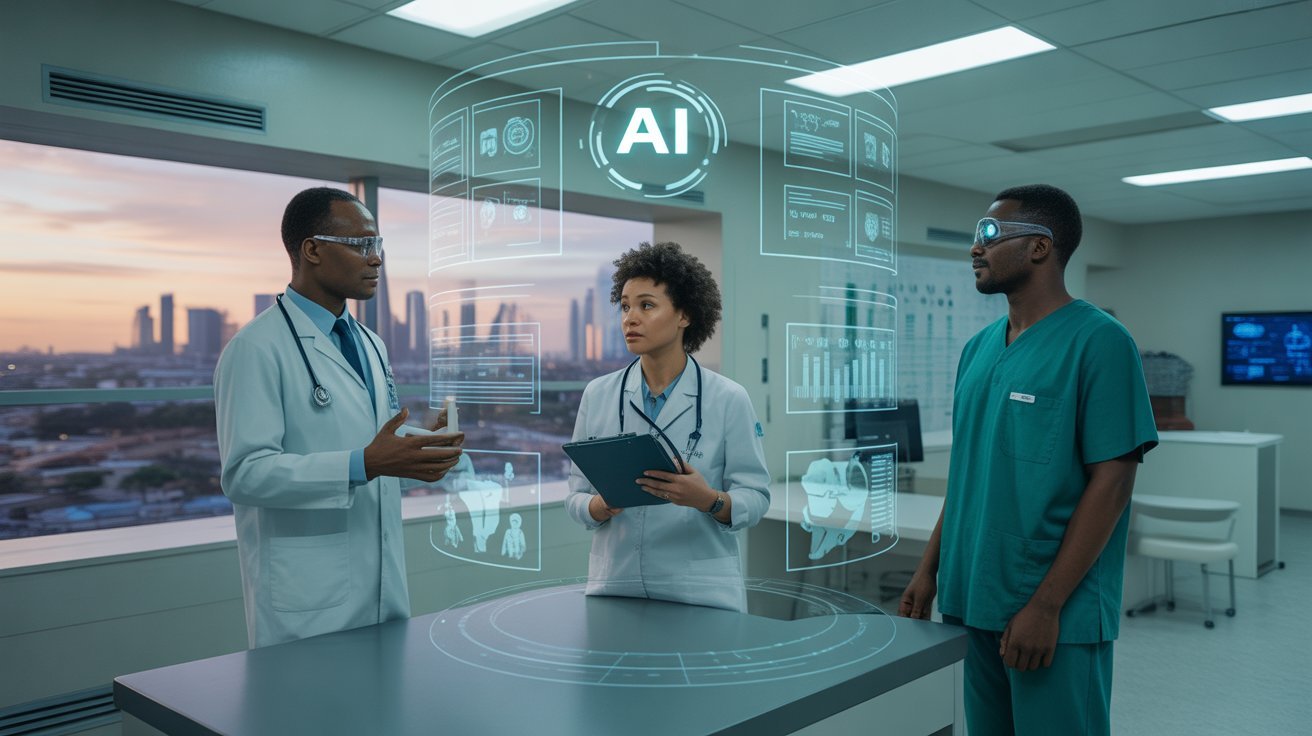
As we look toward the future, the integration of artificial intelligence (AI) into traditional industries presents a myriad of opportunities. Industries such as manufacturing, agriculture, and healthcare are already experiencing significant transformations driven by AI technologies. Machine learning algorithms, predictive analytics, and automation tools are paving the way for enhanced efficiency, tailored customer experiences, and data-driven decision-making processes.
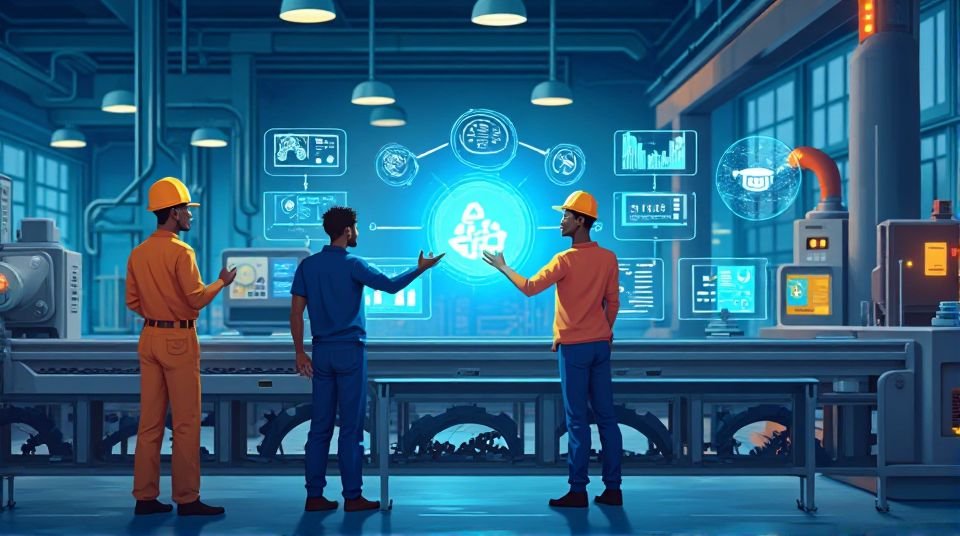
Emerging trends suggest that AI will continue to evolve, offering even more sophisticated applications. For example, in manufacturing, the integration of AI-powered robots can enhance production lines by performing complex assembly tasks and even predictive maintenance. This not only boosts productivity but also reduces operational costs significantly. Similarly, in agriculture, AI-driven technologies like precision farming tools can optimize resource use, leading to enriched yields and sustainable practices.
Moreover, businesses in traditional sectors must be proactive in leveraging these advancements. By adopting AI strategies, companies can maintain a competitive advantage and refine their operational capabilities. The emphasis on continuous learning and innovation within the corporate culture will be crucial. Organizations should invest in upskilling their workforce, enabling employees to harness the potential of AI tools effectively. Initiatives such as training programs, workshops, and collaboration with tech experts can foster an environment of growth.
Additionally, as AI technology continues to advance, ethical considerations and regulatory frameworks will become increasingly vital. Industries must prioritize transparency, accountability, and inclusivity when deploying AI solutions. Embracing responsible AI practices will not only build trust among stakeholders but also contribute to long-term sustainability and success.
In conclusion, the future of AI in traditional industries is filled with promise. By cultivating a forward-thinking mindset and embracing emerging technologies, businesses can drive innovation, stay competitive, and thrive in an ever-evolving digital landscape.