Introduction to AI in Healthcare
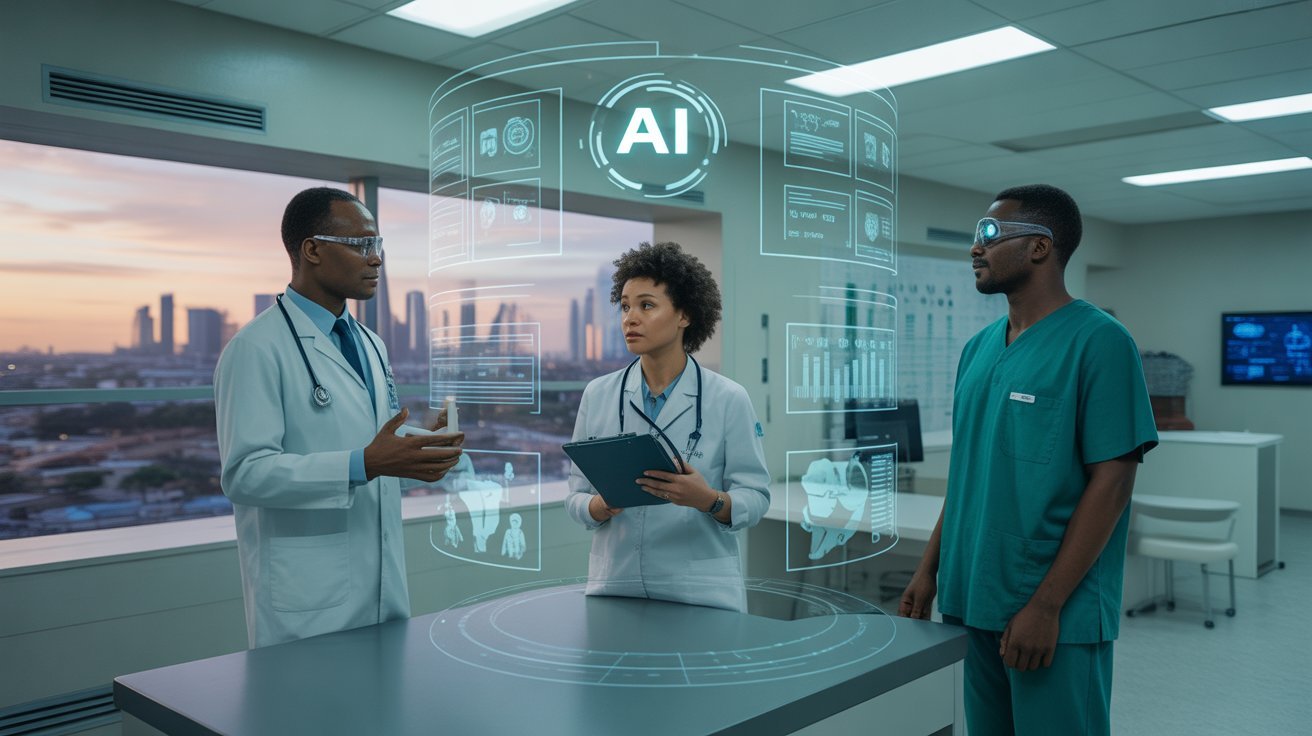
Artificial Intelligence (AI) is revolutionizing various sectors, and healthcare is no exception. Defined as the simulation of human intelligence processes by machines, particularly computer systems, AI encompasses a variety of technologies, including machine learning, natural language processing, and robotics. In Nigeria, the integration of AI into healthcare systems presents numerous opportunities to improve healthcare outcomes, increase efficiency, and enhance patient care. With the ongoing challenges faced by the Nigerian healthcare sector, such as inadequate infrastructure, staffing shortages, and limited access to medical resources, the adoption of AI technologies could provide viable solutions.
One of the most significant impacts of AI in healthcare is its potential to analyze vast amounts of medical data swiftly. Advanced algorithms can identify patterns and trends that might go unnoticed by human analysts, enabling healthcare providers to make more informed decisions regarding diagnoses and treatment plans. Furthermore, AI-driven tools can assist in predictive analytics, helping to identify potential health risks among populations and facilitating early intervention strategies. This capability is particularly crucial in Nigeria, where access to healthcare can be limited, and timely interventions can significantly alter patient outcomes.
Moreover, AI is increasingly being embraced in diagnostic imaging, where it aids in interpreting results from X-rays, MRIs, and CT scans more accurately. By reducing the margin for human error, these technologies can enhance the quality of care provided to patients. AI chatbots and virtual health assistants are also becoming prevalent, offering patients immediate access to medical advice and reducing the burden on healthcare professionals. With its vast potential to transform the healthcare landscape in Nigeria, understanding AI’s role is paramount, as it sets the foundation for analyzing the hurdles that accompany its adoption.
Current Challenges Faced in AI Adoption
The adoption of Artificial Intelligence (AI) in Nigeria’s healthcare sector is inhibited by several formidable challenges. One primary obstacle is the lack of adequate infrastructure. Many healthcare facilities, particularly in rural areas, lack the necessary technological frameworks required to support AI implementations. Insufficient access to reliable electricity, the internet, and advanced medical equipment hampers the development and deployment of AI solutions, preventing them from reaching their full potential in delivering efficient healthcare services.
Another significant challenge is the insufficient training and education among healthcare professionals. The integration of AI technologies necessitates a certain level of expertise that many current professionals may not possess. There is often a gap in knowledge regarding AI tools, analytics, and their application in clinical settings. This lack of proficiency can lead to hesitancy in utilizing AI systems effectively, thus undermining their potential to improve patient outcomes.
Data privacy concerns also loom large in the context of AI applications in healthcare. The ethical management of patient data, including adherence to privacy regulations, remains a central issue. Many healthcare providers are apprehensive about how AI systems handle sensitive patient information, fearing potential breaches that could undermine trust and confidentiality between patients and medical practitioners.
Resistance to change is another barrier that complicates the integration of AI into traditional healthcare practices. Many practitioners are accustomed to established methods and may view AI as a threat to their roles or skepticism about its reliability. Additionally, limited financial resources pose significant constraints, as investing in AI technologies requires not only initial capital expenditure but ongoing maintenance and training costs, which many facilities struggle to afford. These challenges collectively create a complex environment that hinders the successful implementation of AI solutions in Nigerian healthcare.
Strategies for Successful Adoption of AI in Healthcare
The adoption of artificial intelligence (AI) within the Nigerian healthcare system presents various challenges, but implementing effective strategies can significantly mitigate these obstacles. One critical approach is to build a robust technological infrastructure that supports AI integration. This entails investing in advanced IT systems, reliable internet connectivity, and electronic health records to facilitate smooth data flow. By ensuring that healthcare institutions have access to the necessary tools and resources, they can better harness AI technologies to improve patient outcomes.
Another essential strategy is to invest in training programs for healthcare professionals. A well-designed training initiative can equip medical staff with the skills required to utilize AI tools effectively. This training should encompass not only the technical aspects but also the ethical and practical implications of AI in healthcare. For instance, programs that offer hands-on experience with AI applications can bolster confidence and competency among the workforce, leading to a more prepared healthcare environment overall.
Establishing clear regulatory frameworks for data protection is equally important in the successful adoption of AI. Regulatory bodies need to formulate guidelines that ensure patient data privacy and security while also promoting innovation. By creating a balanced approach that fosters both compliance and growth, stakeholders can facilitate a conducive atmosphere for AI implementation.
Collaboration among various stakeholders, including government agencies, healthcare providers, and technology companies, is vital for driving AI initiatives forward. Regular dialogues and partnerships can lead to shared resources and expertise, resulting in more innovative solutions. Furthermore, showcasing successful AI implementations as case studies can inspire confidence and motivate other stakeholders to embrace these transformative technologies.
The Future of AI in Nigerian Healthcare
The future of artificial intelligence (AI) in Nigerian healthcare holds significant promise, as advancements in technology continue to evolve. The integration of AI within the healthcare system presents opportunities for transformative changes, fundamentally altering how healthcare is delivered across the nation. By overcoming current challenges, such as infrastructure deficiencies, data quality issues, and the need for training among healthcare professionals, stakeholders can unlock the full potential of AI.
One of the most impactful benefits of AI is its ability to facilitate predictive analytics, which can greatly enhance disease prevention and management. Through the analysis of vast amounts of health data, AI algorithms can identify trends and predict outbreaks, allowing for timely interventions. This proactive approach can significantly reduce the burden of diseases that plague the nation, leading to improved public health outcomes.
Moreover, the advent of personalized medicine, driven by AI, allows for tailored healthcare solutions that address individual patient needs. By analyzing patient data, such as genetic information and treatment responses, healthcare providers can devise customized treatment plans that enhance effectiveness. This not only improves patient satisfaction but also contributes to a more efficient healthcare system where resources are allocated optimally.
Enhanced decision-making processes enabled by AI offer further improvements in healthcare delivery. AI systems can assist doctors and healthcare professionals in diagnosing and treating patients by providing evidence-based recommendations. By minimizing human error and augmenting clinical judgment, these systems can lead to better health outcomes and increased patient safety.
As the landscape of healthcare continues to evolve, embracing AI adoption must be a collective effort among all stakeholders, including government entities, healthcare providers, and technology innovators. A concerted push towards integrating AI can help reshape the future of Nigerian healthcare, fostering a system that is more efficient, accessible, and capable of meeting the needs of its citizens. The time to act is now, and the future is bright for AI in Nigerian healthcare.