Understanding Quantum Computing: A Simplified Introduction
Quantum computing represents a groundbreaking advancement in the field of computation, fundamentally differing from classical computing in its approach to processing information. At the heart of quantum computing lies the concept of the qubit, or quantum bit, which serves as the basic unit of quantum information. Unlike a classical bit that can exist in one of two states, 0 or 1, a qubit can exist in a state of superposition, allowing it to be both 0 and 1 simultaneously. This characteristic immensely expands the computational capabilities of quantum systems.
Superposition enables quantum computers to perform many calculations at once, significantly increasing processing power for complex problems. When multiple qubits are entangled—a phenomenon in which the state of one qubit is directly related to another, regardless of distance—it further enhances this computational power. This entanglement allows quantum computers to tackle tasks that would be infeasible for classical computers, offering tremendous potential for industries like cryptography, pharmaceuticals, and artificial intelligence.
In contrast to classical computing, which relies on sequential processing and binary logic, quantum computing leverages quantum mechanics to revolutionize data processing. For example, in fields such as machine learning and optimization, quantum computing can address multi-dimensional data sets, identifying patterns and insights at speeds unattainable by their classical counterparts. This shift has far-reaching implications for various industries, promising improvements in problem-solving capabilities and efficiency.
In essence, the introduction of quantum computing heralds a new era in computational technology. By understanding the fundamental concepts of qubits, superposition, and entanglement, individuals can appreciate how this innovative technology stands to reshape numerous sectors, paving the way for advancements that were once the realm of science fiction.
The Intersection of Quantum Computing and Artificial Intelligence
The convergence of quantum computing and artificial intelligence (AI) represents a significant advancement in technological capabilities. Quantum computing leverages the principles of quantum mechanics to process information exponentially faster than classical computers. This capability has the potential to transform how AI systems analyze data, learn from it, and make predictions.
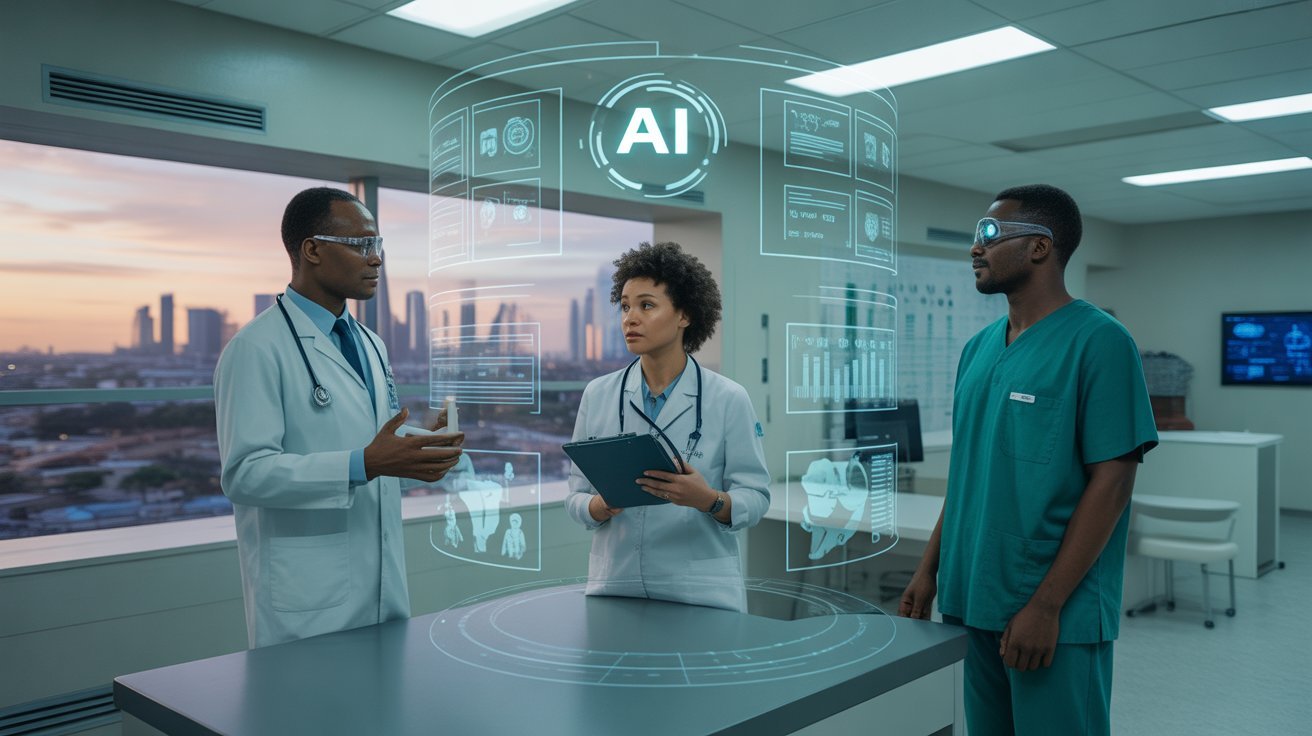
One of the most compelling applications of quantum computing in AI is the enhancement of machine learning algorithms. Quantum algorithms can manage and process vast datasets far more efficiently than their classical counterparts, which allows for improved pattern recognition and data classification. For instance, quantum-enhanced machine learning could lead to better outcomes in industries such as healthcare, where analyzing complex datasets quickly can lead to timely interventions and improved patient care.
Moreover, quantum computing excels in solving complex optimization problems, a task often encountered in AI applications. Classical approaches may become inefficient when handling numerous variables or constraints, yet quantum algorithms can explore multiple solutions simultaneously, greatly accelerating the optimization process. This is particularly beneficial in logistics, finance, and operations research, where optimized solutions can lead to significant cost savings and streamlined processes.
Current research and real-world implementations showcase the tangible benefits of merging quantum computing with artificial intelligence. For example, companies like IBM and Google are actively exploring quantum machine learning frameworks that could revolutionize data analytics by providing faster insights. Additionally, academic institutions across Africa and beyond are collaborating on projects that harness both technologies, signifying a growing interest in this interdisciplinary field.
As we navigate the evolving landscape of quantum computing and AI, understanding their intersection will be crucial for realizing their full potential and addressing future challenges in various sectors.
Real-World Applications: Transforming Industries with Quantum AI
The integration of quantum computing and artificial intelligence (AI) is poised to revolutionize numerous industries worldwide, offering unprecedented opportunities for growth and efficiency. Notably, sectors such as healthcare, finance, and logistics stand to gain significantly from this technological convergence. In Africa, businesses are increasingly recognizing the potential benefits of applying quantum AI to address local challenges and drive innovation.
In the healthcare sector, quantum AI can facilitate drug discovery and patient diagnostics. For instance, researchers are employing quantum algorithms to analyze complex biological data, leading to new insights into disease pathways. A notable example can be observed in how quantum AI is being utilized to personalize treatment plans, thus enhancing patient outcomes while optimizing resource allocation. This level of precision ultimately improves the healthcare system’s overall efficiency and effectiveness.
In finance, quantum computing aids in real-time risk assessment and fraud detection. Financial institutions can process vast amounts of data instantaneously, identifying irregular patterns that could indicate fraudulent activities. Moreover, quantum algorithms can optimize trading strategies by evaluating countless market scenarios far more efficiently than classical computers. As African economies continue to develop, leveraging quantum AI can empower local financial services to compete on a global scale, improving investment strategies and enhancing customer trust.
Logistics and supply chain management also benefit prominently from quantum AI applications. By utilizing quantum algorithms, companies can optimize routing and inventory management, significantly reducing costs and delivery times. For instance, a quantum AI model can predict demand fluctuations with great accuracy, enabling businesses to allocate resources more effectively. This capability is particularly crucial for African enterprises aiming to enhance their operational efficiencies in a competitive market.
Through these applications, the integration of quantum computing with AI not only transforms industries but also offers African businesses the tools needed to thrive in a dynamic global landscape. By harnessing these innovations, companies can enhance decision-making processes and drive substantial growth in their respective fields.
Preparing for the Future: Skills and Education in Quantum AI
As the realms of quantum computing and artificial intelligence continue to evolve, it is imperative that individuals, educators, and businesses recognize the importance of equipping themselves with the necessary skills and knowledge. The intersection of quantum AI presents a unique technological frontier that requires a robust educational framework. With this in mind, several actionable steps can be pursued to prepare for this emerging field.
First and foremost, individuals interested in quantum AI should consider pursuing formal education in disciplines such as computer science, physics, and mathematics. Universities and institutions are increasingly offering specialized programs focusing on quantum technologies, providing essential theoretical foundations and practical experience. Online courses and workshops can serve as supplementary resources, enabling learners to develop skills in quantum programming languages, machine learning, and data analysis. Accessible platforms like Coursera and edX offer courses designed by top universities, making it easier to grasp these complex subjects.
For educators, integrating quantum computing and AI into existing curricula is crucial. This can involve developing interdisciplinary programs that inspire innovative thinking among students. Educators should also seek to collaborate with industry professionals to provide real-world insights and opportunities for hands-on projects. In a rapidly changing technological landscape, fostering a culture of continuous learning is vital.
Businesses must also play a pivotal role in this transformation by investing in employee education and offering training programs related to quantum AI. By establishing partnerships with academic institutions and research organizations, businesses can access the latest advancements in the field, propel their innovation strategies, and ensure their workforce remains competitive.
In the African context, these efforts can catalyze local technological growth, helping to build capacity and create career paths centered around quantum computing and AI. Initiatives that promote innovation and entrepreneurship will empower the next generation to engage with these fields proactively, ensuring communities benefit from the ongoing digital transformation and technological advancements.