Understanding AI and Its Role in Healthcare
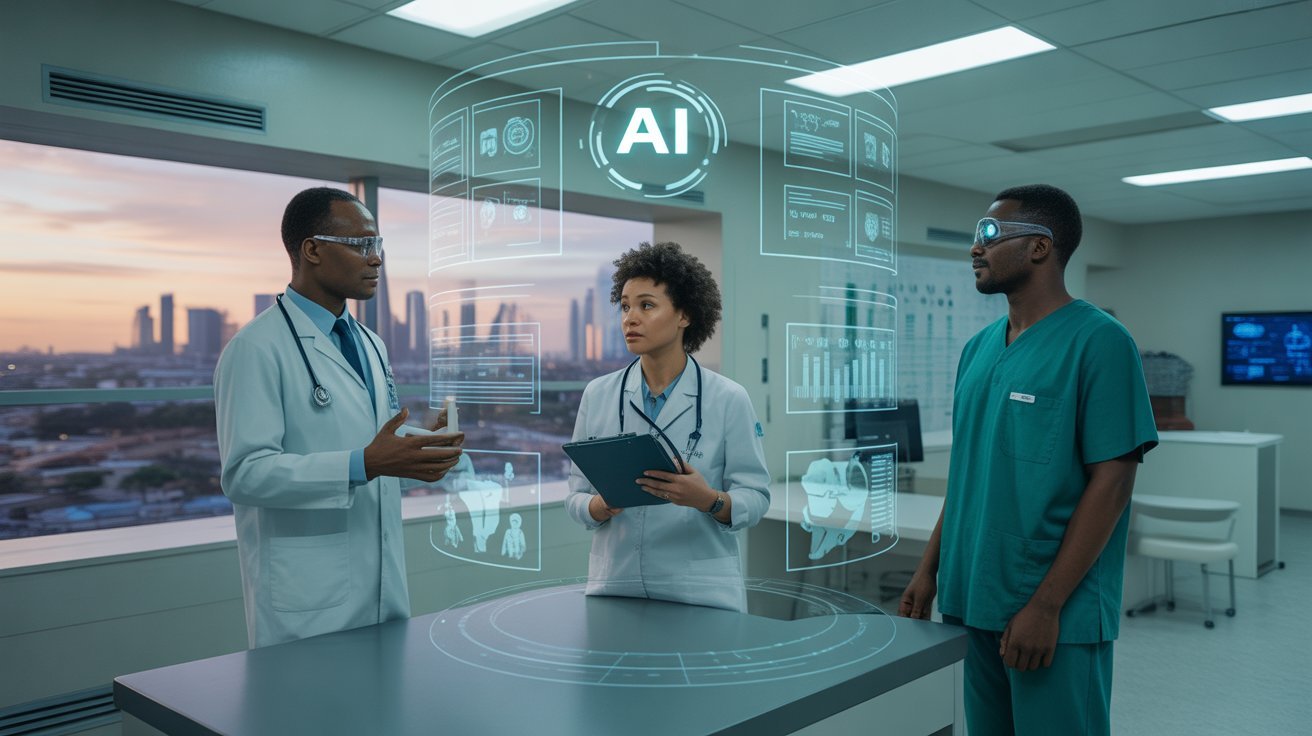
Artificial Intelligence (AI) refers to the simulation of human intelligence processes by machines, particularly computer systems. This includes the ability to learn, reason, and self-correct. In the healthcare sector, AI technology has emerged as an essential tool, transforming how healthcare professionals diagnose, treat, and manage diseases. Its applications span a wide variety of functions, from administrative tasks to advanced diagnostic techniques.
Globally, AI is being leveraged to optimize healthcare delivery. For instance, machine learning algorithms can analyze medical images to identify abnormalities such as tumors in radiology. Natural language processing (NLP) allows AI systems to interpret clinical notes, summarizing critical information that might otherwise be overlooked. These capabilities enhance physicians’ ability to make informed decisions, ensuring timely and accurate diagnosis, which is crucial in saving lives.
In the context of disease diagnosis, AI holds particular relevance. For example, algorithms trained on extensive datasets can predict disease outbreaks, monitor patient vitals, and facilitate real-time decision-making, allowing for faster and more precise diagnoses across various health conditions. AI systems can also assist in identifying trends in patient data that could indicate emerging health issues, thus enabling proactive measures. This potential becomes increasingly important in Nigeria, where healthcare resources can be limited, and timely access to accurate diagnostics can significantly improve patient outcomes.
Furthermore, the integration of AI in Nigeria’s healthcare landscape could address critical challenges faced by the system. By minimizing human error and increasing diagnostic precision, AI technologies can help bridge the gap in health disparities, ensuring that individuals across various regions receive equal opportunities for quality healthcare. As Nigeria seeks to enhance its healthcare delivery, understanding and adopting AI technologies will be essential in revolutionizing disease diagnosis.
Current Challenges in Disease Diagnosis in Nigeria
The healthcare system in Nigeria faces numerous challenges that significantly impact disease diagnosis. One of the primary issues is the lack of access to healthcare facilities, particularly in rural and underserved areas. Many Nigerians reside far from clinics and hospitals, making it difficult for them to seek necessary medical attention. This geographical disparity limits their ability to receive timely diagnoses and appropriate treatments, often resulting in worsened health conditions.
Furthermore, Nigeria bears a substantial burden from both infectious and chronic diseases. The prevalence of conditions such as malaria, tuberculosis, and HIV/AIDS, along with an increasing rate of non-communicable diseases like diabetes and hypertension, complicates the diagnostic landscape. The dual burden of these diseases places enormous pressure on the already strained healthcare infrastructure, leading to delays in diagnosis and treatment. As healthcare providers navigate this complicated environment, the need for efficient and accurate diagnostic tools becomes increasingly evident.
Another significant challenge is the shortage of qualified healthcare professionals. Nigeria has one of the lowest ratios of doctors to patients globally, which exacerbates the diagnostic process. The insufficient number of trained personnel means that even when patients can access healthcare facilities, they may not receive the attention or expertise needed for accurate diagnoses. This shortfall can lead to missed or incorrect diagnoses, further hampering effective healthcare delivery.
Additionally, patients often encounter barriers that hinder their ability to receive timely diagnoses. Factors such as high costs of medical services, inadequate health insurance coverage, and long waiting times contribute to a healthcare environment where many individuals delay seeking help until their conditions become critical. These challenges underline the urgent need for innovative solutions, such as artificial intelligence, to enhance diagnostic capabilities and improve health outcomes in Nigeria.
AI Innovations Transforming Disease Diagnosis
The integration of artificial intelligence (AI) in healthcare has significantly influenced the landscape of disease diagnosis in Nigeria. Various AI-powered diagnostic tools and machine learning algorithms are being implemented in hospitals and clinics to enhance the precision and efficiency of medical assessments. These innovations leverage vast datasets to identify patterns that may be overlooked by traditional diagnostic methods, thereby aiding healthcare professionals in making informed decisions.
One prominent example is the use of AI algorithms in imaging technologies, such as radiology. AI-driven software can analyze medical images like X-rays and MRIs, detecting abnormalities with a level of accuracy that rivals experienced radiologists. A notable case can be seen in a Lagos-based hospital where implementing an AI framework resulted in early detection of lung diseases, significantly improving patient prognosis through timely interventions.
Furthermore, telemedicine solutions powered by AI have revolutionized accessibility to healthcare services throughout Nigeria, particularly in rural areas where medical resources may be scarce. These platforms utilize AI chatbots and virtual diagnosis tools to facilitate initial consultations. For instance, a telemedicine initiative allowed a patient in a remote village to receive an accurate preliminary diagnosis for diabetes through an AI system, which analyzed their symptoms and medical history, leading to a referral for appropriate treatment.
Another innovative application involves the deployment of predictive analytics to forecast disease outbreaks. By analyzing health records and environmental data, AI systems can predict patterns of diseases such as malaria, enabling healthcare providers to allocate resources and implement preventive measures effectively. This use of machine learning not only prepares healthcare systems for potential crises but also enhances the overall public health response.
In essence, the revolutionizing potential of AI in enhancing disease diagnosis is evident through these diverse applications, ultimately leading to improved patient outcomes and a more efficient healthcare system in Nigeria.
The Future of AI in Nigerian Healthcare
The landscape of healthcare in Nigeria is on the brink of transformation, largely driven by advancements in artificial intelligence (AI). As the nation grapples with various health challenges, the integration of AI technologies promises considerable improvements, particularly in disease diagnosis. This evolution holds potential for increased investment in healthcare technology, which is crucial for enabling medical facilities to adopt AI-driven solutions effectively.
In the future, we can expect significant collaborations between technology firms and healthcare providers. Such partnerships can facilitate the development of tailored AI tools designed to address Nigeria’s unique health needs. By pooling resources and expertise, both sectors can enhance healthcare delivery, making diagnosis quicker and more accurate. Moreover, these collaborations may lead to the creation of platforms that promote data-sharing and transparency in health management, thereby improving patient outcomes.
Another pivotal aspect of AI’s future in Nigerian healthcare is its potential role in health education and public health policy. AI-enabled systems can assist in analyzing data to identify trends, which is critical for addressing public health concerns proactively. Furthermore, through targeted educational initiatives assisted by AI, awareness around preventive health measures can be improved, empowering individuals to take charge of their health.
As Nigeria navigates this promising shift, individuals, business owners, and educators are encouraged to engage actively with AI developments. Participation in training programs, investment in healthcare startups focusing on AI solutions, and fostering discussions around its implementation can all play a transformative role. Together, these efforts will further elevate the standard of care, ensuring a healthier future for all Nigerians.