Introduction to AI in Healthcare
Artificial Intelligence (AI) is an innovative technology that simulates human intelligence processes through the analysis of vast amounts of data. In the context of healthcare, AI applications range from enhancing diagnostics to improving patient management and streamlining operational efficiency. Nigeria, with its diverse healthcare challenges and a growing technological landscape, stands at the threshold of leveraging AI to transform its healthcare system.
The current landscape of healthcare in Nigeria presents a mixture of opportunities and hurdles. While advancements in technology and increased access to mobile devices are paving the way for digital health solutions, the existing infrastructure often struggles to keep pace with demand. Issues such as insufficient healthcare facilities, a shortage of trained medical personnel, and limited access to medical resources are prevalent. In this context, the integration of AI technologies could serve not only to bridge gaps in healthcare delivery but also to enhance the overall quality of care provided to the populace.
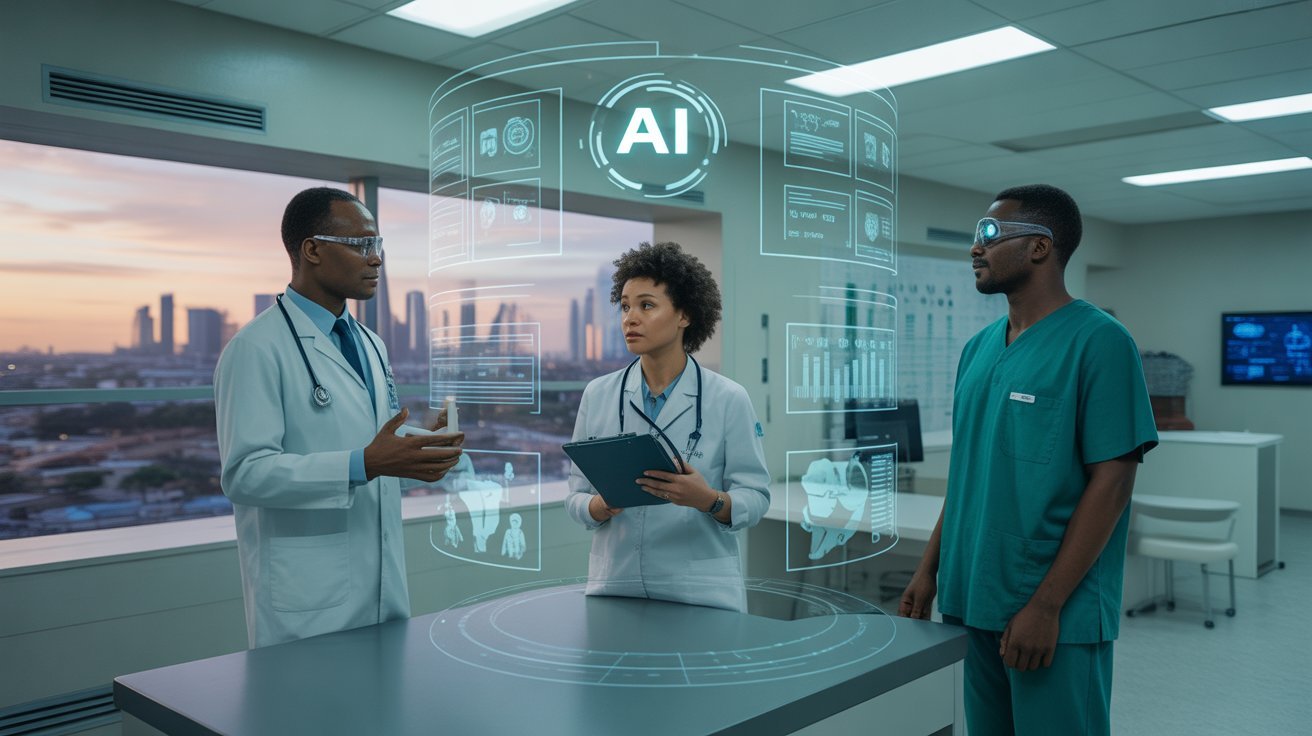
AI is being integrated into various aspects of healthcare in Nigeria. For instance, AI-driven diagnostic tools are gradually emerging, enabling healthcare professionals to detect diseases more accurately and promptly. Moreover, predictive analytics powered by AI can assist in identifying potential health risks in individuals and populations, thereby facilitating preventive measures before conditions escalate. Additionally, AI solutions can optimize hospital operations by predicting patient volumes and managing resources effectively, thus ensuring that medical facilities operate smoothly during peak demands.
As we delve deeper into the opportunities and challenges that AI presents for Nigerian healthcare, it is essential to recognize its transformative potential. AI can not only aid in enhancing service delivery but also contribute significantly to addressing the enduring healthcare disparities present in the nation. Understanding its implications thoroughly will allow stakeholders to harness AI effectively, paving the way for a robust healthcare system in Nigeria.
Opportunities Presented by AI in Nigerian Healthcare
The integration of artificial intelligence (AI) into the Nigerian healthcare system holds remarkable potential for transformation. One of the most significant opportunities lies in improved access to medical services through telemedicine. In remote areas where healthcare facilities are scarce, AI-powered platforms can connect patients with healthcare providers via virtual consultations. This reduces the barriers of distance and inadequate infrastructure, thereby ensuring that quality healthcare reaches underserved populations.
Furthermore, AI technology can enhance diagnostics through advanced machine learning algorithms. These algorithms can analyze vast amounts of medical data and identify patterns that may be missed by human practitioners. By utilizing AI in diagnostics, healthcare professionals in Nigeria can achieve higher accuracy in disease identification, which is critical in a country where chronic diseases and infections pose serious public health challenges.
Personalized treatments present another significant advantage of AI in healthcare. By harnessing patient-specific data, including medical history and genetic information, AI can facilitate customized treatment plans. This personalization increases the effectiveness of interventions and promotes better health outcomes for patients, ultimately contributing to overall population health improvement in Nigeria.
Moreover, AI has the potential to reduce healthcare costs by streamlining administrative processes and optimizing resource allocation. For instance, AI can manage patient scheduling or analyze treatment efficacy to inform resource distribution, leading to more efficient use of healthcare funds. Case studies from Nigerian healthcare facilities already demonstrate AI’s potential; several hospitals reported reductions in patient wait times and improved management of medical supplies.
As these advancements indicate, the opportunities presented by AI in Nigerian healthcare are multifaceted and profound. The engagement of health professionals and investment in technology can lead to substantial improvements in service delivery and patient care across the nation.
Challenges Facing AI Adoption in Nigerian Healthcare
The integration of artificial intelligence (AI) into the Nigerian healthcare system presents numerous challenges that hinder its effective implementation. One of the foremost obstacles is the infrastructural limitations prevalent across the country. Many healthcare facilities lack reliable access to high-speed internet and essential technological infrastructure, which significantly impedes the deployment of AI-based applications. The absence of solid frameworks for data management further complicates the situation, preventing healthcare providers from harnessing AI’s full potential.
Moreover, the workforce in the healthcare sector requires substantial training and development in AI literacy. The ability to utilize AI tools effectively is paramount, yet many healthcare professionals may lack the necessary skills and understanding of these technologies. This skills gap creates a barrier to adopting AI, as healthcare practitioners may feel hesitant or unprepared to integrate AI solutions into their daily routines. Continuous education and targeted training programs are essential to equip professionals with the knowledge and skills required for successful AI utilization.
Ethical concerns surrounding patient data privacy and security also present a formidable challenge in the adoption of AI in healthcare. The sensitive nature of health information necessitates stringent measures to protect patient data from breaches and misuse. Concerns regarding how AI systems process and store this information can stymie organizational efforts to implement these technologies, as both patients and practitioners may be wary of potential risks.
Lastly, there exists an inherent resistance to change among healthcare professionals, often rooted in a preference for traditional methods of care delivery. This reluctance to embrace new technologies can significantly obstruct progress, as successful AI adoption relies heavily on the willingness of professionals to adapt to innovative practices. Addressing these challenges uniquely positions stakeholders to foster a more conducive environment for AI integration in Nigerian healthcare.
The Path Forward: Strategies for Effective AI Integration
The integration of artificial intelligence (AI) into Nigerian healthcare presents both significant opportunities and considerable challenges. To navigate these complexities effectively, several strategic initiatives should be pursued. Successful integration requires collaboration between government entities, technology companies, and healthcare providers to foster a supportive ecosystem conducive to AI developments. By facilitating partnerships, stakeholders can leverage resources, knowledge, and skills, thus enabling the adoption of innovative AI solutions tailored to the unique needs of the Nigerian healthcare landscape.
Another critical aspect is the investment in training programs aimed at elevating AI literacy among healthcare professionals. This approach will ensure that practitioners are not only familiar with AI technologies but are also adept at utilizing them to enhance patient care. By incorporating AI-related curricula in medical education and providing continuous professional development opportunities, healthcare workers will be empowered to integrate AI tools into their daily practices, leading to improved outcomes.
The establishment of supportive policies is also fundamental in the quest for effective AI integration. Governments should implement frameworks that safeguard patient data while promoting ethical AI usage. This may include privacy legislation that addresses data security concerns and guidelines that ensure the responsible application of AI in clinical settings. Such measures will help to instill public confidence in AI technologies and underscore the commitment to maintaining high ethical standards.
Lastly, community engagement is essential for increasing the acceptance and utilization of AI innovations in healthcare. By involving community stakeholders in the conversation surrounding AI applications, public perception can shift positively, fostering a culture of openness and willingness to embrace technological advancements. To facilitate this, awareness campaigns and workshops should be organized to showcase the benefits of AI, thereby demystifying its functionalities and enhancing overall trust within the community.
In conclusion, the implementation of these strategies will not only overcome the challenges currently faced but also significantly enhance the role of AI in Nigerian healthcare, ultimately paving the way for a more efficient and effective healthcare delivery system.